
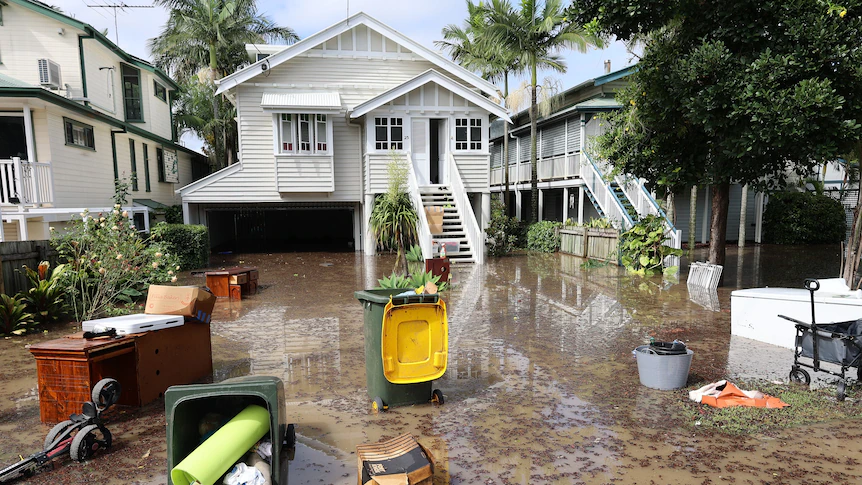
Tallahassee is a vibrant city with its lush greenery, historic homes, and charming neighborhoods. But living here also comes with a weather reality—floods. Heavy rain, tropical storms, and rising water levels can quickly transform streets and yards into waterways, threatening your property, your belongings, and even your health.
Flood damage isn’t just about wet floors and ruined furniture. Water can seep into walls, insulation, and structural supports, creating conditions for mold, bacteria, and long-term damage. Understanding how to respond quickly and effectively is key to keeping your home safe and restoring it properly after a flood.
Why Floods in Tallahassee Are a Special Challenge
Tallahassee’s geography makes flooding a serious concern. The city sits near rivers, creeks, and wetlands that can overflow during heavy rainfall. Even moderate storms can trigger flash flooding, and water can seep into basements, crawlspaces, and foundations before you even realize it.
Floodwater is rarely clean. It often carries bacteria, debris, and other contaminants that pose health risks. Lingering moisture can lead to:
- Mold growth within 24–48 hours
- Wood rot or weakened structural supports
- Lingering odors and poor indoor air quality
- Damage to personal belongings and furniture
Because of these risks, flood restoration in Tallahassee requires more than DIY cleanup. Professional intervention ensures that hidden moisture is removed, surfaces are sanitized, and your home is restored safely.
First Things to Do After Your Home Floods
When your Tallahassee property experiences flooding, safety should always come first. Here are the initial steps to take:
- Ensure Personal Safety
Avoid walking through standing water, which may be contaminated or hide electrical hazards. Turn off electricity and gas if it’s safe to do so. - Document the Damage
Take photos and videos for insurance claims. Make a list of damaged items and structural areas. - Call a Certified Flood Restoration Company
Professionals have the equipment and expertise to extract water, dry your property thoroughly, and sanitize affected areas. Attempting to handle large-scale flooding alone often results in lingering problems like hidden mold. - Remove Valuables Carefully
Move furniture and personal items to a dry, elevated location. Avoid using waterlogged rugs, mattresses, or upholstered furniture—they may require professional treatment or disposal.
Behind the Scenes: How Pros Bring Flood-Damaged Homes Back to Life
Flood restoration is a detailed process that goes beyond water removal. Here’s what professionals do to restore your home:
- Emergency Water Extraction
High-powered pumps and wet vacuums remove standing water quickly, reducing damage to floors, walls, and structural components. - Drying and Dehumidification
Industrial dehumidifiers and air movers are used to remove moisture from walls, floors, and hidden cavities. Proper drying prevents warped wood, peeling paint, and secondary mold growth. - Cleaning and Sanitization
Floodwater can carry harmful bacteria. Professionals use specialized cleaning agents to disinfect surfaces, remove debris, and neutralize odors. - Mold Prevention and Remediation
Even after water is removed, residual moisture can trigger mold growth. Early mold detection and removal protect your indoor air quality and prevent long-term health risks. - Structural Repairs and Restoration
Once your home is dry and sanitized, technicians repair damaged walls, flooring, and structural components to restore your property to its pre-flood condition.
Don’t Wait! Why Acting Fast Can Save Your Home
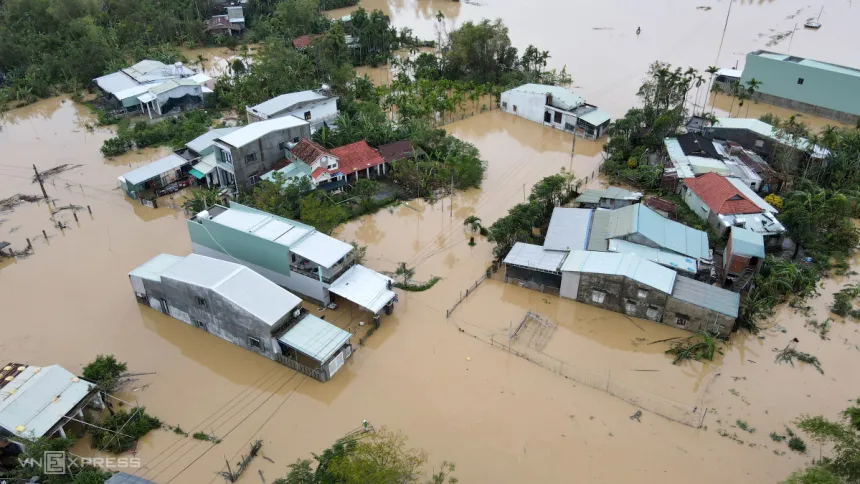
Time is critical in flood situations. Water can seep into hidden areas in minutes, and mold can begin growing within 24–48 hours. Waiting even a day increases repair costs and heightens health risks.
Professional restoration tackles both visible and hidden damage, including structural concerns, bacteria, and moisture that you may not see. Fast action helps protect your property’s value and ensures your home is safe and healthy to live in.
How to Protect Your Tallahassee Home from the Next Flood
While you can’t control the weather, there are steps you can take to reduce the impact of future floods:
- Elevate electrical systems and appliances above potential flood levels.
- Seal cracks in foundations and walls to reduce water intrusion.
- Install sump pumps in basements or crawlspaces.
- Maintain proper drainage around your property, including gutters and storm drains.
- Consider flood insurance to protect your investment.
Regular maintenance and preventive measures can make a huge difference when storms hit, minimizing both property and health risks.
How to Pick the Right Team to Restore Your Flooded Home
Choosing the right restoration company is crucial. Look for professionals who are:
- Certified in flood and water damage restoration
- Equipped with industrial drying and extraction tools
- Knowledgeable about mold remediation and air quality restoration
- Available for emergency response services
A trusted restoration team in Tallahassee ensures that your home is restored safely, efficiently, and with long-term results, giving you peace of mind after a stressful event.
Conclusion
Floods in Tallahassee are more than an inconvenience—they can threaten both your property and your health. Acting quickly and relying on professional restoration services is the best way to protect your home, prevent long-term damage, and maintain a safe living environment.
From emergency water extraction to mold prevention and structural repairs, working with certified experts ensures that your home is not only restored but also healthier for you and your family.
If your Tallahassee home has suffered flood damage, don’t wait—call a trusted restoration team today and start the process of bringing your home back to life.