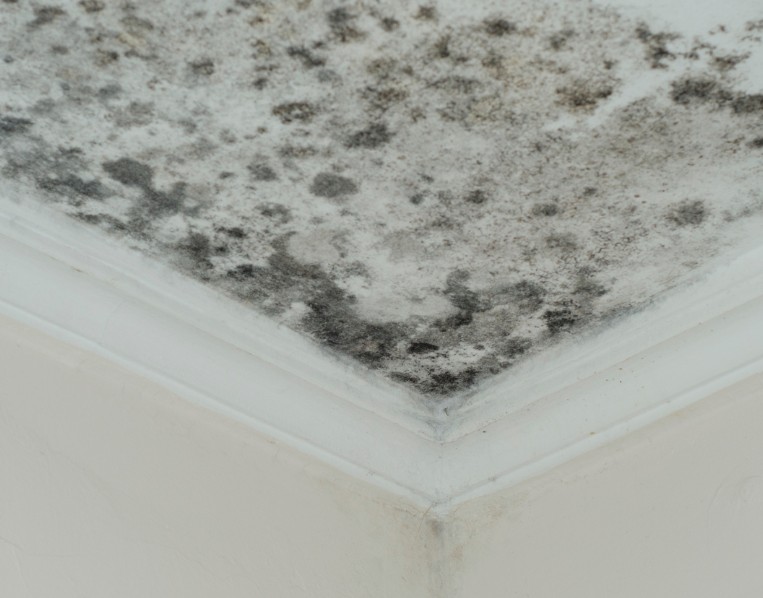
Indoor air quality is a crucial aspect of maintaining a healthy and comfortable living environment. Unfortunately, poor ventilation can lead to a variety of problems, including the growth of indoor mold.
Mold is not just an unsightly nuisance; it poses significant health risks and can lead to costly remediation efforts.
In this article, we will explore the connection between inadequate ventilation and indoor mold growth, discuss the health risks associated with mold, and provide practical steps for mold removal and prevention.
Understanding Indoor Mold Growth
Mold is a type of fungus that thrives in damp, warm, and humid environments. It reproduces by releasing tiny spores into the air, which can settle and grow on various surfaces. While mold is a natural part of the environment, it becomes a problem when it starts growing indoors.
Environmental Conditions Favoring Mold Growth
Several environmental conditions can favor mold growth, and understanding these is key to prevention. Mold thrives in environments with high humidity, typically above 60%. Warm temperatures, generally between 77°F and 86°F, also promote faster mold growth. However, mold can grow in cooler temperatures if moisture is present.
Poor ventilation exacerbates these conditions by trapping moisture and warm air inside, creating a perfect breeding ground for mold. Areas of the home that are often neglected, such as basements, attics, and crawl spaces, are particularly vulnerable. Inadequate ventilation in these areas can quickly lead to mold infestations.
Causes of Indoor Mold Growth
One of the primary causes of indoor mold growth is poor ventilation. When a building lacks adequate airflow, moisture can accumulate, creating the perfect environment for mold to thrive. Common sources of indoor moisture include:
Leaky Roofs and Windows
Leaky roofs and windows are significant contributors to indoor mold growth. When rainwater seeps through cracks or broken seals, it can create damp spots where mold thrives. Over time, even small leaks can lead to significant moisture accumulation, providing a constant water source for mold.
Addressing these issues involves regular inspections and maintenance. Checking for damaged shingles, and cracked window seals, and ensuring proper drainage can prevent water intrusion. Repairing leaks promptly is crucial to prevent mold growth before it starts.
Plumbing Leaks and Failures
Plumbing leaks are another common source of indoor moisture. Dripping faucets, leaking pipes, or a faulty water heater can create persistent moisture problems. These leaks not only waste water but also raise indoor humidity levels, creating a suitable environment for mold.
Routine plumbing inspections and maintenance can help detect leaks early. Replacing worn-out pipes, tightening loose fixtures, and monitoring water usage can prevent mold-inducing moisture from accumulating. Addressing plumbing issues promptly is essential for maintaining a mold-free environment.
Condensation and Its Effects
Condensation occurs when warm, moist air comes into contact with cooler surfaces, such as windows or walls. This can result in water droplets forming on the surface, providing a perfect environment for mold. Condensation is often a problem in homes with inadequate insulation or poor ventilation.
To reduce condensation, improving insulation and ventilation is key. Using double-glazed windows, installing proper ventilation in kitchens and bathrooms, and maintaining consistent indoor temperatures can help mitigate this issue. Addressing condensation promptly is crucial to preventing mold growth.
Poorly Ventilated Bathrooms and Kitchens
Bathrooms and kitchens are common areas for mold growth due to their high humidity levels. Steam from showers and cooking can increase indoor humidity if not properly vented. Without adequate ventilation, moisture accumulates, creating an ideal environment for mold.
Installing exhaust fans and ensuring they are used consistently can help manage humidity levels. Regularly cleaning and maintaining these fans is also important to ensure they function efficiently. Proper ventilation in bathrooms and kitchens is critical to preventing mold growth.
Identifying Mold in Your Home
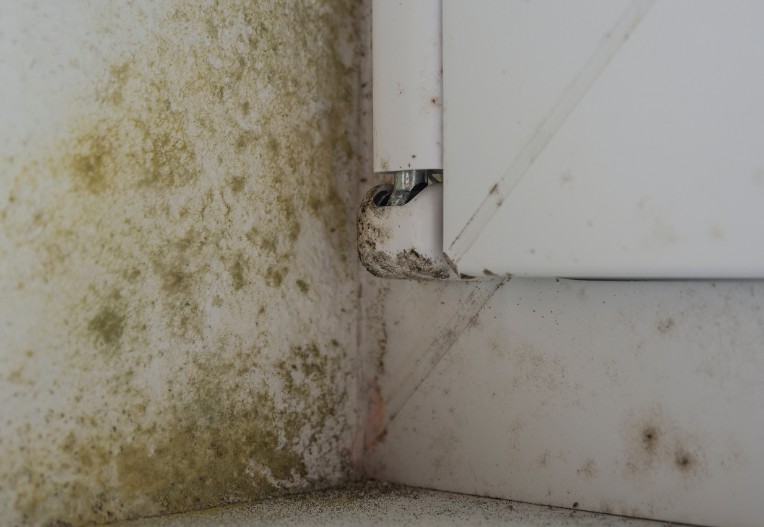
Detecting mold early is crucial for effective mold remediation. Here are some signs to look out for:
Musty Odors and Their Implications
A persistent, earthy smell in your home could indicate mold presence. Musty odors are often one of the first signs of hidden mold, especially in places where mold is not immediately visible. This smell is produced by mold releasing volatile organic compounds (VOCs) as it grows.
If you notice a musty odor, it’s important to investigate further. Identifying the source of the smell can help locate hidden mold and address the problem before it spreads. Regularly checking for musty odors in vulnerable areas can help catch mold early.
Visible Mold Growth and Spots
Mold can appear as black, green, or white spots on surfaces, often in areas with high humidity or moisture. These spots can range from small specks to large patches and can grow on materials like drywall, wood, or fabric.
Regular home inspections, especially in areas prone to moisture, can help detect visible mold early. Addressing visible mold promptly can prevent further growth and reduce health risks. Cleaning and removing mold as soon as it’s spotted is crucial for effective remediation.
Water Stains and Discoloration
Discoloration on walls or ceilings may suggest hidden mold growth. Water stains often appear as yellow or brown marks and indicate that moisture has seeped into the material. This moisture can lead to mold growth behind walls or under floorboards.
Investigating water stains promptly can help identify and address mold before it becomes a significant problem. Repairing leaks and ensuring proper ventilation can prevent moisture accumulation and subsequent mold growth. Being vigilant about water stains is an important part of mold prevention.
Health Symptoms and Unexplained Reactions
If you experience unexplained allergic reactions or respiratory issues, mold might be the culprit. Symptoms like persistent coughing, sneezing, or skin irritation can be signs of mold exposure, especially if they improve when you are away from home.
Monitoring your health and noting any changes related to your indoor environment can help identify mold issues. If health symptoms persist, consider seeking medical advice and conducting a mold inspection. Early detection and intervention are key to minimizing health risks associated with mold.
Steps for Mold Removal and Remediation
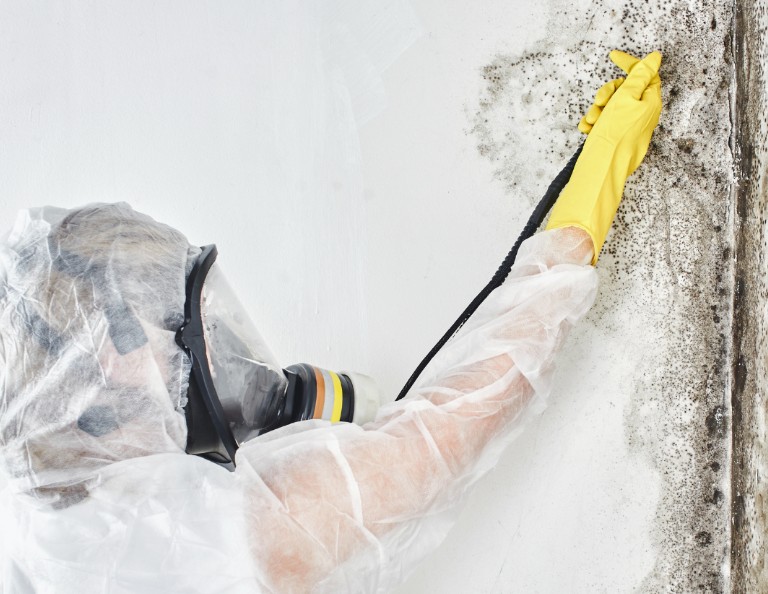
If you suspect mold in your home, it’s important to act swiftly. Here are steps to follow for effective mold removal and remediation:
1. Assess the Situation
Determine the extent of the mold problem. Small areas of mold can often be handled by homeowners, but extensive growth may require professional intervention. Begin by visually inspecting areas where mold is suspected, noting the size and location of mold patches.
Consider the underlying causes of mold, such as leaks or poor ventilation, as these will need to be addressed to prevent recurrence. Use a moisture meter to detect hidden dampness in walls or floors. If the mold area exceeds ten square feet, a professional assessment is recommended.
2. Fix Moisture Problems
Address any sources of moisture to prevent further mold growth. This could involve repairing leaks, improving ventilation, or using dehumidifiers. Identifying the root cause of moisture is crucial to effective mold remediation.
Start by inspecting common moisture sources, such as plumbing, roofing, and window seals. Ensure that bathrooms and kitchens have adequate ventilation to expel moisture. Regularly monitor humidity levels and aim to keep them below 60% to inhibit mold growth.
3. Clean and Disinfect
For small mold infestations, clean the affected area with soap and water, then disinfect with a solution of one part bleach to ten parts water. Ensure the area is thoroughly dried afterward. Always wear protective gear, such as gloves and masks, to avoid exposure to mold spores.
Use appropriate cleaning tools, such as scrub brushes and sponges, to remove mold from surfaces. After cleaning, improve air circulation in the area to aid in drying. Regularly inspect the cleaned area to ensure mold does not return.
4. Remove Contaminated Materials
Porous materials like drywall or carpeting that have been extensively contaminated may need to be removed and replaced. Mold can penetrate these materials deeply, making it difficult to clean effectively.
Carefully remove and dispose of contaminated materials, sealing them in plastic bags to prevent spore dispersal. Consider replacing with mold-resistant materials, such as mold-resistant drywall, to prevent future infestations. Professional help may be necessary for extensive material removal.
5. Hire a Mold Restoration Company
For larger mold problems, or if you’re unsure how to proceed, consider hiring a professional mold restoration company. They have the expertise and equipment to safely and effectively remove mold.
Professional remediation services offer comprehensive solutions, including mold testing, removal, and prevention strategies. They can also address hidden mold issues that may not be apparent to homeowners. Hiring professionals can ensure a thorough and effective mold remediation process.
Conclusion
Indoor mold growth poses risks to both your home and your health, often stemming from poor ventilation. With proper maintenance and proactive strategies, you can protect your living environment. Addressing moisture issues, ensuring adequate ventilation, and taking steps for mold removal can help prevent infestations.
If you’re facing a serious mold problem, don’t hesitate to contact The Healthy Environments in Tallahassee. Our experts can safely remove mold and ensure it doesn’t return, keeping your home safe and healthy.
Call us today for a mold-free home!