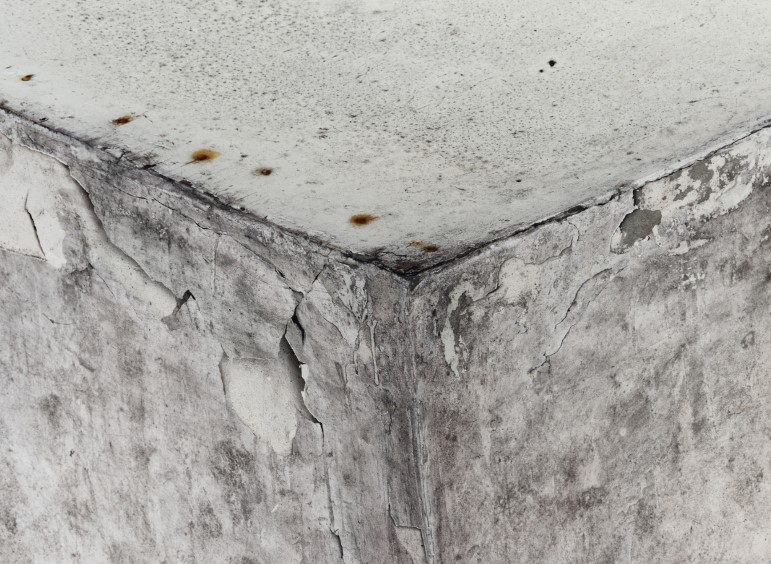
Mold is a silent intruder that creeps into our homes, thriving in damp, dark corners.
The health risks associated with mold are significant and can range from allergic reactions to serious respiratory issues.
Preventing mold growth is crucial. It’s not just about maintaining the aesthetic appeal of your home, but also about ensuring a healthy living environment.
This guide provides practical strategies for every room in your home. From the bathroom to the basement, we’ll cover the best practices to keep mold at bay.
We’ll also delve into when to call in the professionals. Mold remediation and flood damage restoration services can be invaluable in severe cases.
Welcome to the essential guide to preventing mold growth in your home. Let’s create a healthier, mold-free living space together.
Understanding Mold and Its Risks
Mold is a fungus that thrives in moist, warm, and dark environments. It can be found indoors and outdoors, often appearing as spots in various colors.
The health effects of mold exposure can be severe. Some of the associated risks include respiratory problems and allergic reactions.
Common health risks of mold include:
- Respiratory complications like coughing and sneezing
- Allergic reactions such as skin rashes or nasal stuffiness
- Asthma attacks triggered by mold exposure
Knowing these risks emphasizes the importance of mold prevention in your home. A proactive approach can safeguard your health and maintain a clean environment.
Strategies for Mold Prevention
Preventing mold is about controlling the environment to make it less hospitable for its growth. With a few strategic steps, homeowners can significantly reduce mold risks.

Regular inspections and maintenance are key. It’s crucial to identify and address potential problem areas before mold can develop. By following effective prevention strategies, you can maintain a healthy and mold-free home environment.
Controlling Humidity and Moisture
Maintaining the right humidity levels in your home is vital. Use dehumidifiers in areas prone to dampness to keep moisture in check.
The ideal indoor humidity should range between 30-50%. Monitoring and adjusting humidity helps deter mold formation and protects your home from excess moisture.
Proper Ventilation Techniques
Effective ventilation helps remove moisture from areas like kitchens and bathrooms. Install exhaust fans to eliminate steam and moisture build-up efficiently.
Use range hoods to vent cooking moisture. Regularly check ventilation systems to ensure they function correctly, providing adequate airflow in all rooms.
Identifying and Fixing Leaks Promptly
Leaks can lead to water damage and mold growth. Routine checks of plumbing and roofs are essential to find leaks early.
Act swiftly to repair any leaks to prevent further damage. Quick action reduces the chances of mold setting in and saves on potentially expensive repairs later.
Room-by-Room Best Practices
Each room in your home poses unique challenges for mold prevention. Tailored strategies for each area help address specific needs.
By focusing on preventive measures specific to each room, you can create a strong defense against mold. Let’s explore targeted practices for different areas of your house.
Mold Prevention in the Bathroom
Bathrooms, with frequent water use, can quickly accumulate moisture. This makes them ideal environments for mold growth.
- Install an exhaust fan to remove steam.
- Use mold-resistant shower curtains.
- Regularly check and reseal any grout or caulk.
Keep bath mats and towels dry by hanging them up. Regular cleanings prevent mold before it starts.
Keeping the Kitchen Mold-Free
Kitchens require careful moisture management from cooking, washing, and spills. These activities can create the perfect breeding ground for mold.
- Use a range hood to vent steam outdoors.
- Repair any leaky fixtures promptly.
- Store food and dishes in dry cabinets.
Regularly check under sinks for leaks. Clean up spills quickly to prevent mold and mildew from setting in.
Ensuring a Dry and Safe Living Area
Living areas may seem less moisture-prone, but humidity can still lead to mold. Simple preventive steps can keep these spaces mold-free.
- Run a dehumidifier if needed.
- Check windows for condensation.
- Ensure proper airflow by keeping vents unblocked.
Arrange furniture to allow air circulation. Moisture and mold can develop behind blocked walls or large pieces of furniture.
Bedroom and Closet Mold Prevention
Bedrooms and closets can harbor unseen moisture and poor ventilation. Maintaining air quality and monitoring humidity are key.
- Keep closet doors slightly open.
- Use moisture-absorbing materials like silica gel.
- Avoid storing damp items.
Check areas near windows or exterior walls for signs of condensation. This can help prevent mold in spaces you use daily.
Basement and Attic Considerations

Basements and attics are often the most vulnerable areas in a home for mold. They are typically darker and less ventilated.
- Use a sump pump to manage basement water.
- Install vents or fans in the attic.
- Inspect for roof leaks.
Using a vapor barrier in crawl spaces can deter ground moisture. Regular inspections can keep these spaces dry and free from mold growth.
When to Seek Professional Help
Sometimes, despite your best efforts, mold can become overwhelming. If you face extensive mold coverage, professional help may be necessary.
Experts can handle large-scale mold situations effectively. They have the tools and knowledge to ensure your home is thoroughly cleaned and safe again.
Recognizing the Need for Mold Remediation
Mold remediation may be needed when mold covers more than a small area. If mold recurs or spreads quickly, consider professional services.
The health risks of significant mold exposure make swift action essential. Professionals assess the severity and provide effective solutions.
Choosing a Mold Restoration Company
Choosing a reliable mold restoration company is vital. Look for companies with proven experience and positive customer feedback.
Ensure they offer comprehensive services, including assessment and preventive advice. A good company will restore your home and provide insights to prevent future mold issues.
Maintaining a Mold-Free Home
Keeping your home mold-free is a continuous effort requiring vigilance and proactive measures. Consistent maintenance and awareness are key to preventing mold growth.
By addressing potential issues promptly and adopting best practices, you protect your health and home. Embrace these strategies to ensure a safe, mold-free environment for your family.
For expert mold removal or water damage restoration services in Tallahassee, contact The Healthy Environments today!