
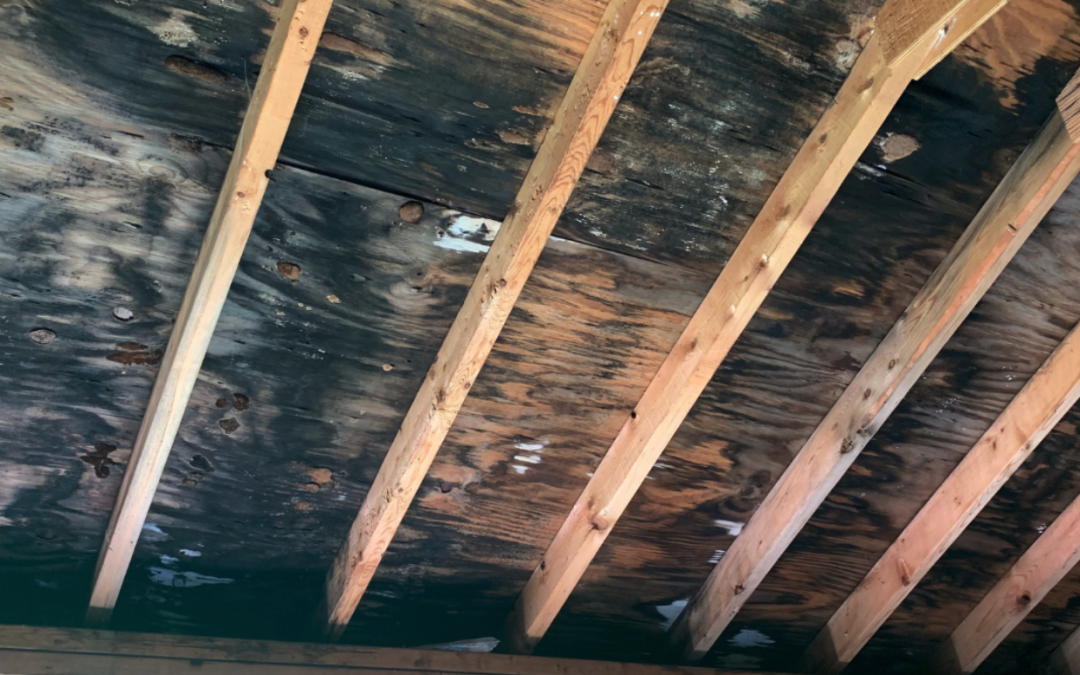
Mold is a silent invader. It creeps into our homes, spreading unseen until it’s too late. This silent spread can cause significant damage. Not just to our homes, but also to our health.
But how does mold travel so easily? The answer lies in its microscopic spores. These spores float through the air, finding new places to colonize. The good news is, you can stop this silent spread. With the right mold prevention techniques, you can protect your home and your health.
This article will guide you through understanding mold and its risks. We’ll explore how mold spreads and the role of moisture in its growth. We’ll also provide actionable strategies for mold prevention. From moisture management to regular cleaning, we’ll help you keep your home mold-free.
Understanding Mold and Its Risks
Mold is more than just a cosmetic problem. It poses serious health risks if left unchecked. It can trigger allergies, asthma, and other respiratory issues.
Different molds can appear in various colors. They’re often found in damp areas like bathrooms and basements. However, they can also remain hidden within walls and ceilings.
Identifying mold early can prevent larger problems. Musty odors and visible growth are key warning signs. If you notice these, act promptly.
Preventing mold is about more than removing visible patches. It’s crucial to address underlying moisture issues to stop mold from returning.
The Science of Mold Spores and Their Silent Spread
Mold spores are tiny and nearly invisible. They float through the air like dust. This makes them challenging to detect and manage.
These spores are resilient and can travel great distances. They easily reach different parts of your home. All they need is a bit of moisture to thrive.
Once settled, they begin to grow quietly. This often happens before you notice a problem. By then, addressing the spread can be tricky and costly.
Air circulation can spread mold spores. That’s why controlling airflow and maintaining clean spaces is crucial. This can help prevent their spread and growth.
Moisture: The Fuel for Mold Growth
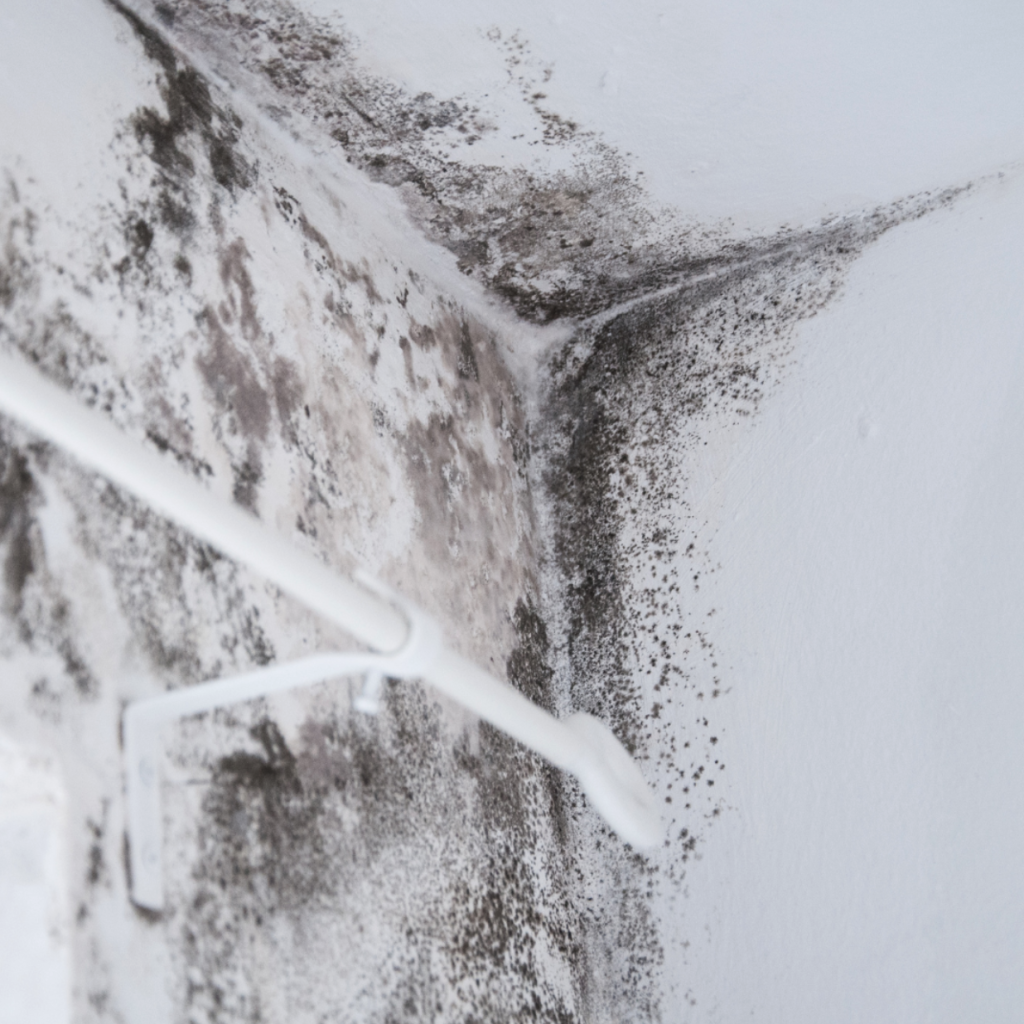
Moisture is essential for mold to grow. Without it, mold spores remain inactive. Identifying moisture sources is key to prevention.
Common sources include leaks, condensation, and high humidity. Bathrooms and kitchens often have these issues. Quick actions can stop mold before it spreads.
Poor ventilation can trap moisture indoors. This creates ideal conditions for mold. Ensuring good air circulation is important for moisture control.
Mold thrives in hidden areas. Spaces behind walls, under carpets, and in corners can be hotspots. Regular inspections can reveal moisture problems early on.
Key Mold Prevention Techniques
Preventing mold is about consistent vigilance. Implementing various techniques can help keep your home mold-free.
One major strategy is managing moisture levels. This serves as the backbone of any mold prevention plan.
In addition to moisture management, good ventilation is crucial. Proper airflow reduces humidity, making conditions less favorable for mold.
Regular cleaning and maintenance routines further enhance mold prevention. They can help spot and fix issues before mold becomes a problem.
Consider these mold prevention techniques:
- Use dehumidifiers in damp areas.
- Fix leaks promptly to minimize moisture.
- Ensure good ventilation in moisture-prone rooms.
- Clean and dry wet areas quickly.
- Inspect and maintain gutters to prevent water buildup.
- Regularly check for and seal gaps or cracks in walls and floors.
Moisture Management Strategies
Managing moisture effectively is essential in combating mold. The focus should be on keeping your indoor environment dry.
First, inspect your home for any leaks or water damage. Timely repairs can prevent lingering moisture problems.
Keep tabs on indoor humidity levels. Devices like hygrometers help. Aim for a humidity level below 60%.
Implement these moisture management strategies:
- Install exhaust fans in bathrooms and kitchens.
- Use a dehumidifier in areas with high humidity.
- Ensure rainwater drains away from your foundation.
- Regularly check and fix roof and plumbing leaks.
Ventilation and Air Circulation
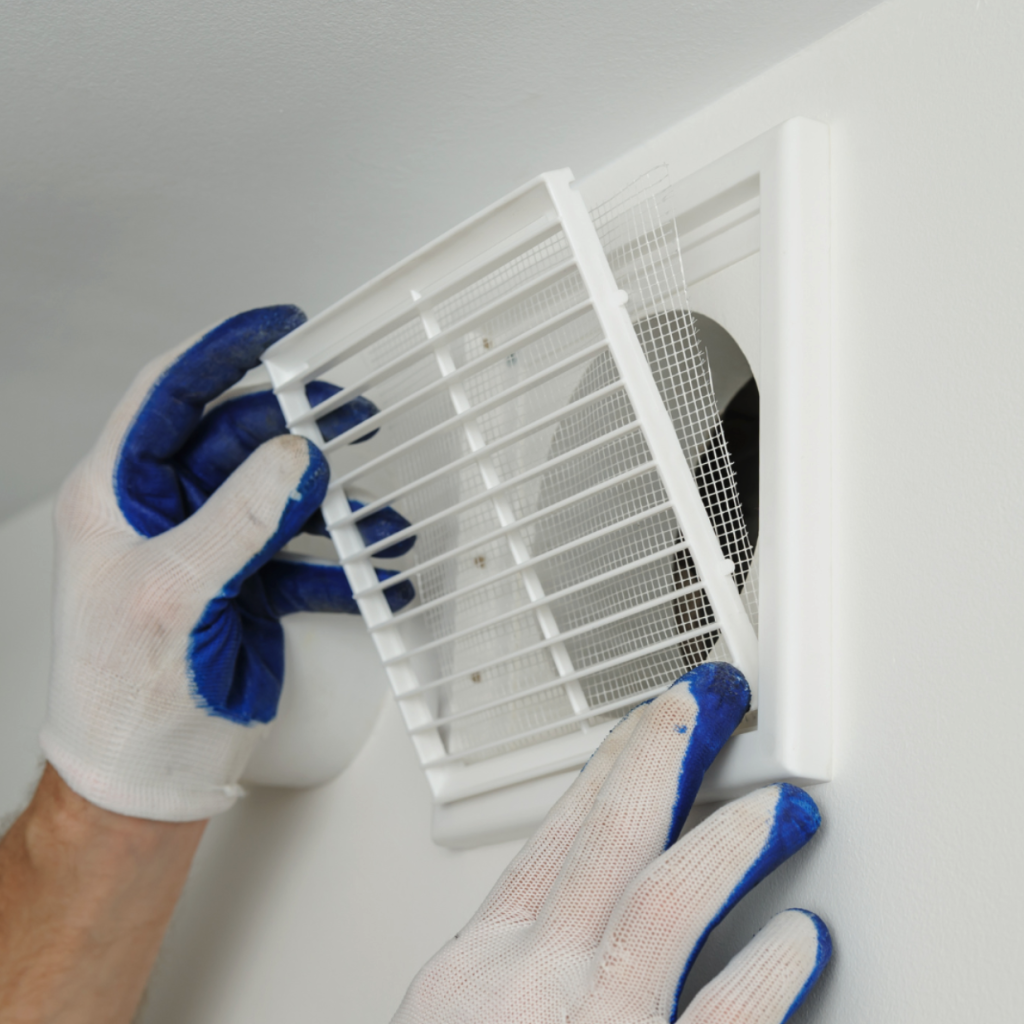
Proper ventilation helps maintain a healthy home environment. It aids in controlling moisture and reducing mold risk.
Use exhaust fans or windows to promote air circulation. They remove moisture from the air in kitchens and bathrooms.
Whole-house ventilation systems can be considered in high-risk regions. They ensure constant airflow and balance indoor humidity.
Adopt these ventilation tips:
- Open windows during dry weather to let in fresh air.
- Install an attic fan to expel hot, moist air.
- Ensure HVAC vents are unobstructed for free air movement.
- Use ceiling fans to help circulate air throughout rooms.
Regular Cleaning and Maintenance
Routine cleaning is a frontline defense against mold. It keeps potential growth areas dry and free of spores.
Focus on cleaning moisture-prone rooms like bathrooms and basements. Frequent scrubbing limits mold spore build-up.
Don’t overlook maintenance tasks. Regular inspections can catch small issues before they turn into larger problems.
Implement a routine that includes:
- Cleaning mold-prone surfaces with mold-inhibiting solutions.
- Drying wet clothes and towels promptly.
- Inspecting and cleaning gutters regularly.
- Checking and replacing any water-damaged materials.
When to Call a Mold Remediation Professional
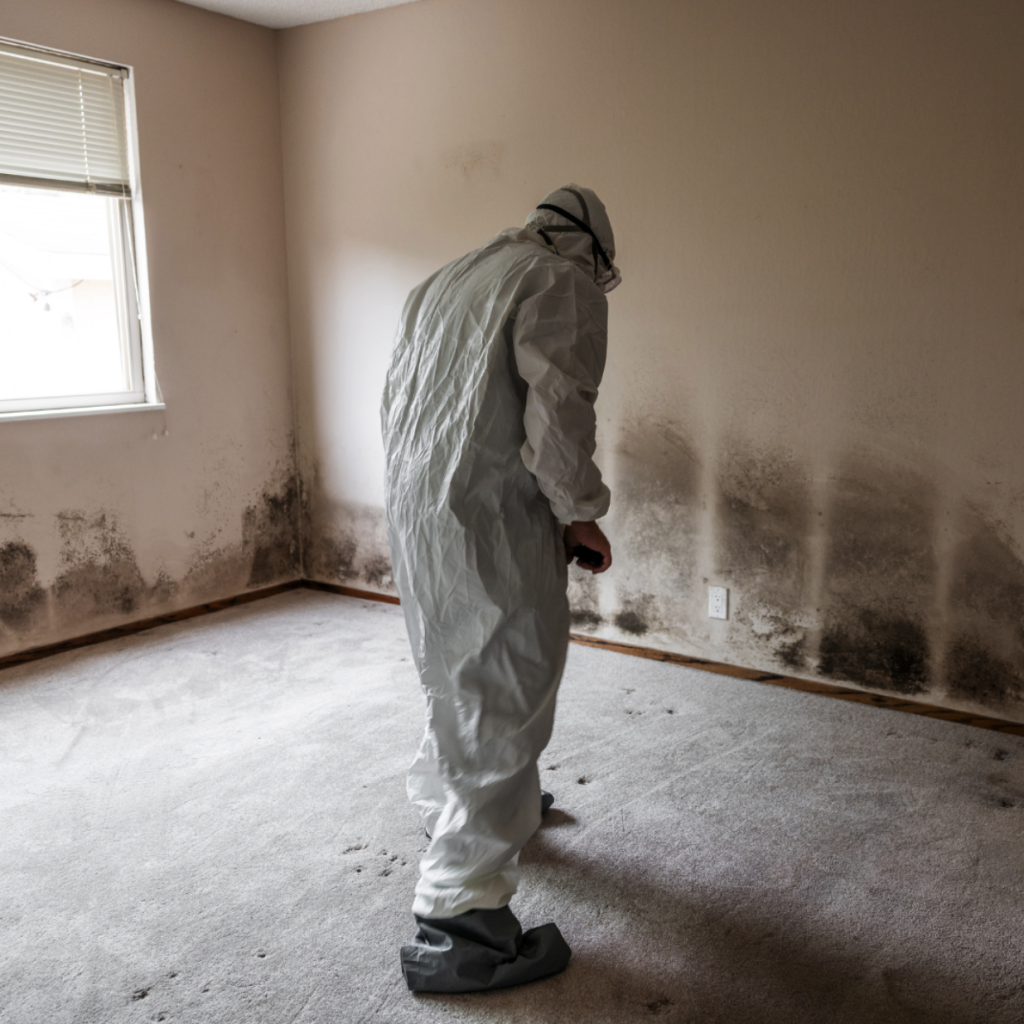
Mold can sometimes overrun even the most diligent homeowner’s efforts. Recognizing when to call a professional is key.
If mold covers a large area, it’s time to call a mold remediation professional. Their expertise ensures thorough remediation and future prevention.
Lingering odors or persistent health symptoms could indicate hidden mold. Professionals have the tools to discover and treat these areas.
Don’t wait if initial mold removal attempts haven’t worked. Timely intervention prevents further damage and health risks.
DIY vs. Professional Mold Removal
DIY mold removal can work for small, isolated spots. With the right tools and safety gear, homeowners can tackle minor problems.
However, not all mold issues are suited for DIY solutions. Large infestations or recurring problems often require professional attention to address underlying causes effectively.
The Importance of Ongoing Mold Prevention
Mold prevention is a continuous process, not a one-time effort. Consistent vigilance and home maintenance play crucial roles in keeping mold at bay. Implementing these strategies will protect your home and enhance indoor air quality. Staying proactive saves time and money while safeguarding your family’s health.
For expert mold removal and remediation services in Tallahassee, don’t hesitate to reach out to our team at The Healthy Environments!