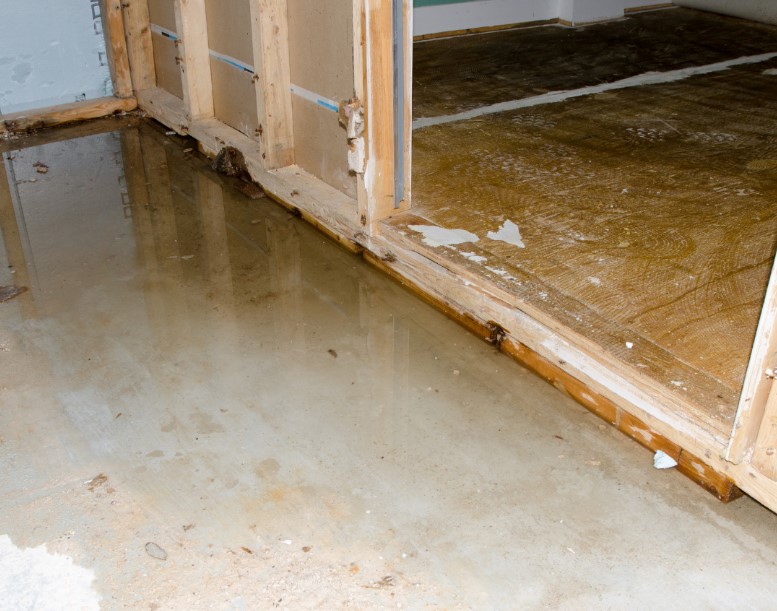
Water damage and mold can wreak havoc on your home. They can cause structural issues, health problems, and a significant decrease in property value.
Understanding the signs of water damage and mold is the first step toward prevention. Early detection can save you from costly repairs and potential health risks.
This guide aims to provide homeowners with actionable advice on water damage prevention. It covers everything from creating a prevention plan to understanding the importance of insurance.
We’ll also delve into the process of water restoration, mold removal, and remediation. You’ll learn when to call professionals and how to choose a reputable service.
By the end of this guide, you’ll be equipped with the knowledge to protect your home from the adverse effects of water damage and mold.
Understanding Water Damage and Its Consequences
Water damage is a common issue that homeowners face. It can occur because of various reasons such as leaks, floods, or high humidity.
The consequences of water damage are far-reaching. It can lead to structural issues in your home, such as warped floors and peeling paint.
Moreover, water damage can create a conducive environment for mold growth. Mold can pose serious health risks, including respiratory issues and allergies.
It’s also important to note that water damage can significantly decrease your property’s value. This can be a major concern if you plan to sell your home in the future.
Understanding the potential consequences of water damage is crucial. It underscores the importance of early detection and prevention.
Signs of Water Damage in Your Home
Detecting water damage early can save you from expensive repairs so it’s important to know the signs to look out for.
One common sign is water stains on your walls or ceiling. These stains often appear as yellowish spots.
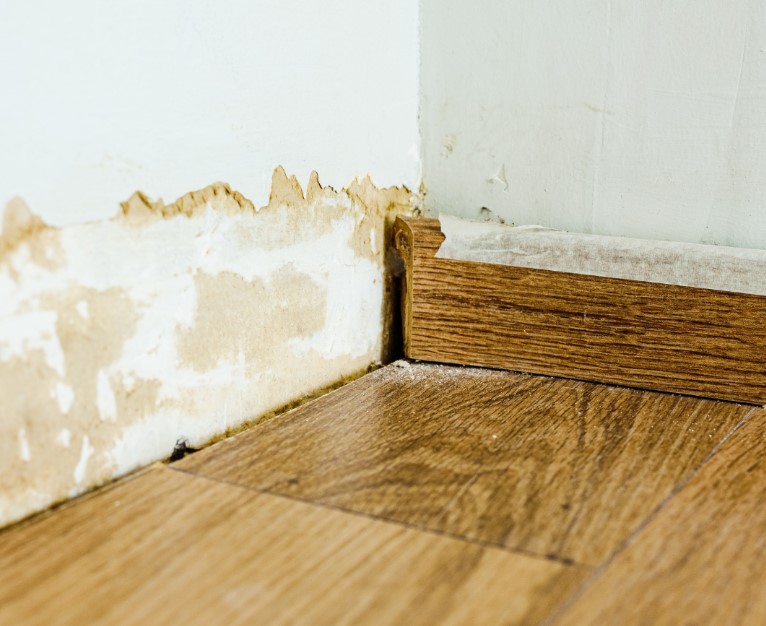
Peeling paint or wallpaper is another sign that usually indicates water is seeping into your walls.
You may also notice a musty odor in your home. This smell often indicates the presence of mold, which thrives in damp conditions.
Here are some other signs of water damage to watch out for:
- Warped or buckling floors
- Rust on pipes
- Damp or moldy carpets
- Increased water bills
- Mold growth on walls or ceilings
- Condensation on windows
Creating a Water Damage Prevention Plan
A prevention plan is a proactive approach to safeguarding your home. It involves identifying potential risks and taking steps to mitigate them.
Start by inspecting your home for potential sources of damage. This includes checking your plumbing, roofing, and HVAC systems for any signs of leaks or damage.
Next, consider installing water sensors in high-risk areas. These devices can alert you to leaks or floods, allowing you to take immediate action.
Here are some steps to include in your water damage prevention plan:
- Regular maintenance checks on plumbing, roofing, and HVAC systems
- Installation of water sensors in high-risk areas
- Regular cleaning of gutters and downspouts
- Sealing of windows and doors to prevent water seepage
- Regular inspections of sump pumps and backwater valves
A good prevention plan is comprehensive and regularly updated. It should reflect any changes in your home or new potential risks.
Regular Maintenance to Prevent Water Damage
Regular maintenance is key to preventing damage. It helps you catch potential issues before they escalate.
One area to focus on is your plumbing system. Leaky pipes and faulty fixtures can lead to significant damage over time.
Your roofing system also requires regular checks. Damaged shingles or a leaky roof can allow water to seep into your home.
Don’t forget about your HVAC system. Regular servicing can prevent condensation build-up, which can lead to water damage.
Technological Aids for Water Damage Prevention
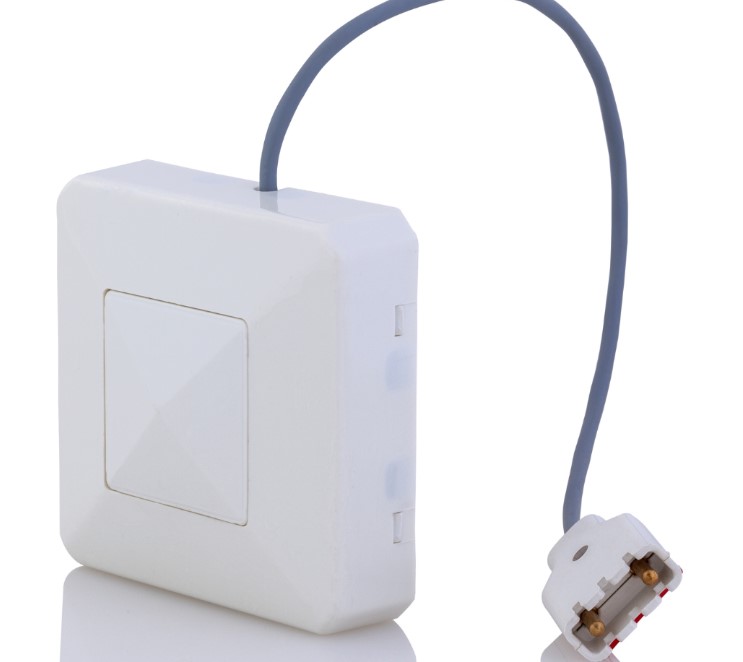
Technology can be a great ally in your water damage prevention plan. Several devices can help you detect and prevent water damage.
Water sensors, for instance, can alert you to leaks or floods. They can be placed in high-risk areas like basements, bathrooms, and under sinks.
Automatic shut-off valves are another useful tool. They can stop the water flow when a leak is detected, preventing further damage.
- Water sensors
- Automatic shut-off valves
These technological aids can provide an extra layer of protection for your home.
Immediate Steps to Take After Detecting Water Damage
If you detect water damage, immediate action is crucial. The first step is to stop the source of water, if possible.
Next, ensure your safety. Avoid electrical hazards and wear protective gear if needed.
Then, document the damage by taking photos and making notes for your insurance claim.
After documenting, start removing water. Use towels, mops, or a wet vacuum.
Finally, call a professional restoration service. They can assess the damage and start the restoration process.
Professional Water Damage Restoration and Mold Remediation
Water damage restoration is a complex process. It involves water extraction, drying, and dehumidification.
Professionals use specialized equipment for these tasks and ensure all moisture is removed to prevent mold growth.
Mold remediation is another crucial step. It involves identifying and removing mold from affected areas.
Professionals also use antimicrobial treatments. These prevent mold from returning.
Choosing a reputable service is important. They should be certified and experienced in water damage restoration and mold remediation.
Remember, quick action is key. The sooner restoration begins, the less damage your property will sustain.
The Importance of Water Damage Insurance
Water damage insurance is a safety net. It covers the costs of unexpected water-related issues.
Understanding your policy is crucial because it helps you know what is covered and what is not.
Documenting water damage for insurance claims is important. It ensures you get the compensation you deserve.
Remember, insurance premiums may increase after water damage claims. It’s another reason to prioritize water damage prevention.
Preventative Measures Outside the Home
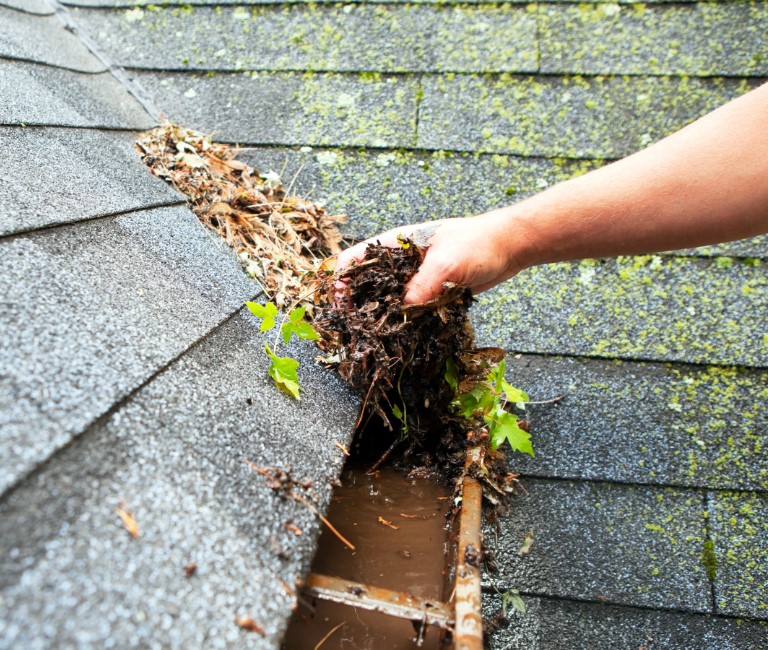
Landscaping and exterior home maintenance can prevent water intrusion. Proper drainage systems around the property are essential.
Cleaning gutters and downspouts is also important. It prevents water from pooling and causing damage.
Sealing windows and doors can prevent water seepage. It’s a simple step with a significant impact.
Climate change increases the frequency of water-related disasters. Responding to flood warnings and preparing your home is crucial.
When to Call a Mold Restoration Company
Extensive mold issues require professional help. A mold restoration company can effectively remove mold and prevent its return.
Choosing a reputable service is crucial. They should have experience in mold remediation and restoration.
Conclusion: Staying Proactive Against Water Damage and Mold
Water damage and mold can be daunting. But with early detection and prevention, you can protect your home.
A comprehensive water damage prevention plan is key. Regular maintenance and the use of technology can also help.
Remember, professional services are available for restoration and remediation. They can handle severe cases effectively.
Lastly, keep your water damage insurance updated. It can cover unexpected costs and give you peace of mind.
Stay proactive. Your home is worth the effort.
For expert water damage restoration and mold remediation services in Tallahassee, contact The Healthy Environments today!