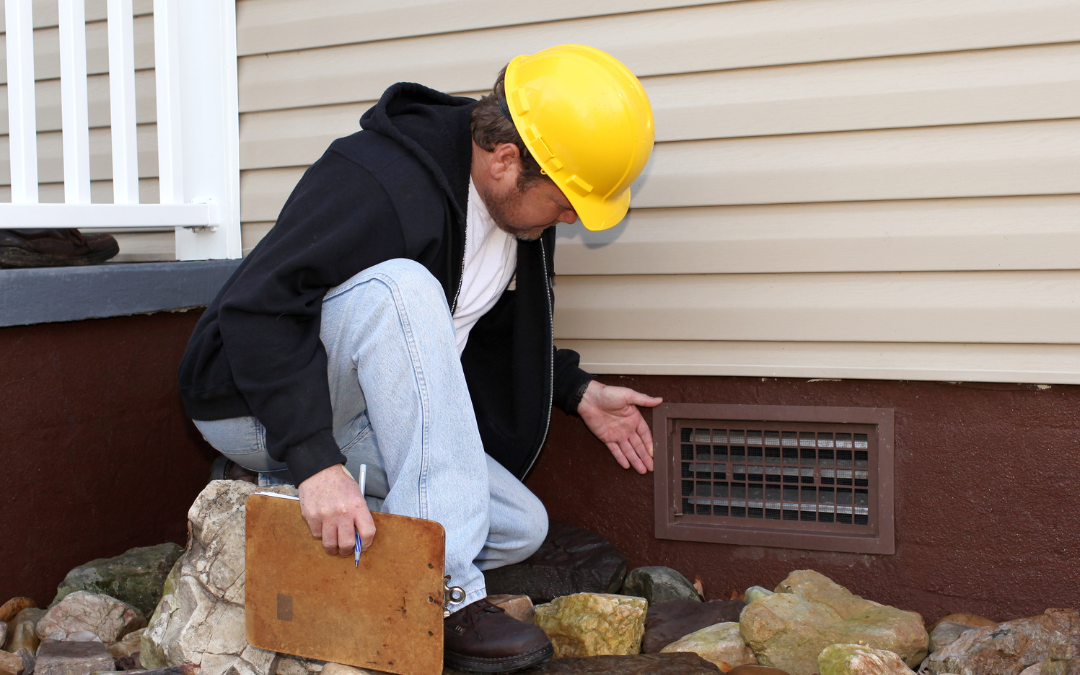
When it comes to home maintenance, crawl spaces often get overlooked. Many homeowners focus on more visible areas, neglecting the hidden spaces beneath their homes. However, ignoring this crucial area can lead to significant problems, such as mold growth and water damage, which can be expensive and harmful to your health. This article explores the benefits of crawl space waterproofing and whether it’s a worthwhile investment for preventing such issues.
Common Crawl Space Issues
Crawl spaces are prone to several problems, mainly due to moisture accumulation. These include:
- Mold Growth: Mold thrives in damp environments and can quickly spread, affecting indoor air quality and posing health risks such as allergies and respiratory issues. Mold spores can infiltrate your living space, leading to ongoing health problems for the occupants.
- Structural Damage: Excessive moisture can weaken the wooden beams and supports, compromising the structural integrity of your home. Over time, this can lead to significant and costly repairs, as the damage can extend to other parts of the home if not addressed.
- Pest Infestation: Damp conditions attract pests like termites and rodents, which can further damage your property. These pests not only cause structural damage but can also bring in diseases and create an unsanitary living environment.
The Role of Crawl Space Waterproofing
Crawl space waterproofing involves implementing measures to prevent water intrusion and control moisture levels. It’s a proactive approach that can save homeowners from dealing with extensive repairs and health concerns. Let’s look at how it works and its benefits.
How Waterproofing Works
Crawl space waterproofing typically includes:
- Vapor Barriers: These are plastic or foil sheets placed on the ground and walls to prevent moisture from entering. By creating a barrier between the ground moisture and your home, vapor barriers significantly reduce humidity levels in the crawl space.
- Drainage Systems: Installing a sump pump or French drain helps direct water away from the crawl space. These systems are crucial in areas prone to heavy rainfall, ensuring that water doesn’t accumulate and cause damage.
- Dehumidifiers: These devices maintain optimal humidity levels, preventing mold growth. They are especially useful in regions with high humidity, providing an additional layer of protection by continuously removing excess moisture from the air.
Benefits of Crawl Space Waterproofing
The advantages of waterproofing your crawl space are numerous:
- Mold Prevention: By controlling moisture, you reduce the risk of mold growth, protecting your health and home. Preventing mold not only saves on potential remediation costs but also enhances the overall indoor air quality.
- Enhanced Air Quality: A dry crawl space improves the overall air quality in your home, reducing allergens and respiratory issues. Better air quality means a healthier living environment for you and your family, with fewer health-related complaints.
- Increased Home Value: A well-maintained crawl space can increase your home’s resale value and appeal to potential buyers. Knowing that the crawl space is protected from water damage and mold can be a significant selling point.
- Energy Efficiency: By preventing moisture and sealing air leaks, crawl space waterproofing can help lower energy bills. A dry and well-insulated crawl space reduces the strain on your HVAC system, leading to more efficient energy use.
Comparing Waterproofing to Other Solutions
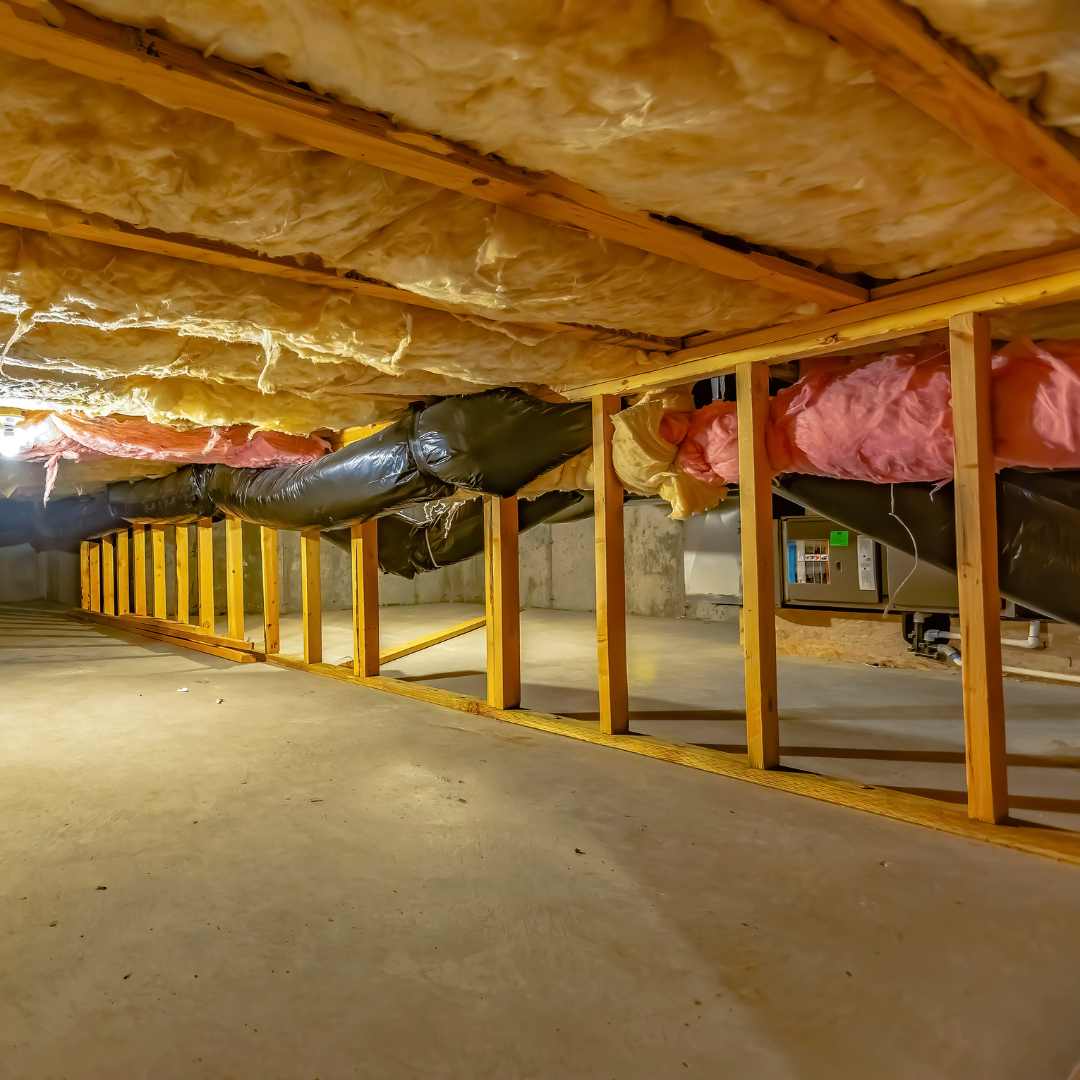
While crawl space waterproofing is effective, it’s essential to compare it with other solutions like mold remediation and water damage restoration to understand its value fully. Understanding these alternatives helps highlight the preventive benefits of waterproofing.
Mold Remediation and Water Damage Restoration
Mold remediation and water damage restoration are reactive measures taken after problems arise. Here’s how they compare to waterproofing:
- Cost: Waterproofing is generally more cost-effective than dealing with extensive mold removal and structural repairs. Remediation and restoration can involve significant labor and material costs, which often exceed the cost of preventive waterproofing.
- Preventive vs. Reactive: Waterproofing is a preventive measure, while remediation and restoration are reactive solutions. By focusing on prevention, homeowners can avoid the stress and disruption associated with dealing with damage after it occurs.
- Long-Term Benefits: Waterproofing provides long-term protection, reducing the need for frequent repairs and maintenance. Investing in waterproofing means peace of mind, knowing that your home is protected against potential water and mold-related issues.
Is Crawl Space Waterproofing Worth It?
Given the benefits and preventive nature of crawl space waterproofing, many homeowners find it a worthwhile investment. Here’s why:
Protecting Your Investment
Your home is likely one of your most significant investments. By waterproofing your crawl space, you protect this investment from costly damages caused by mold and water intrusion. Not only does this safeguard your home’s structural integrity, but it also preserves its market value, ensuring a higher return if you decide to sell.
Health and Safety
Mold and damp conditions can lead to health issues, particularly respiratory problems. Ensuring a dry crawl space contributes to a healthier living environment for you and your family. By preventing mold growth and maintaining air quality, you reduce the risk of health complications and promote a safer home environment.
Financial Savings
While there’s an initial cost to waterproofing, it can save you money in the long run by preventing expensive mold remediation and structural repairs. Investing in waterproofing is a cost-effective strategy that pays off by minimizing potential future expenses related to water and mold damage.
DIY vs. Professional Waterproofing
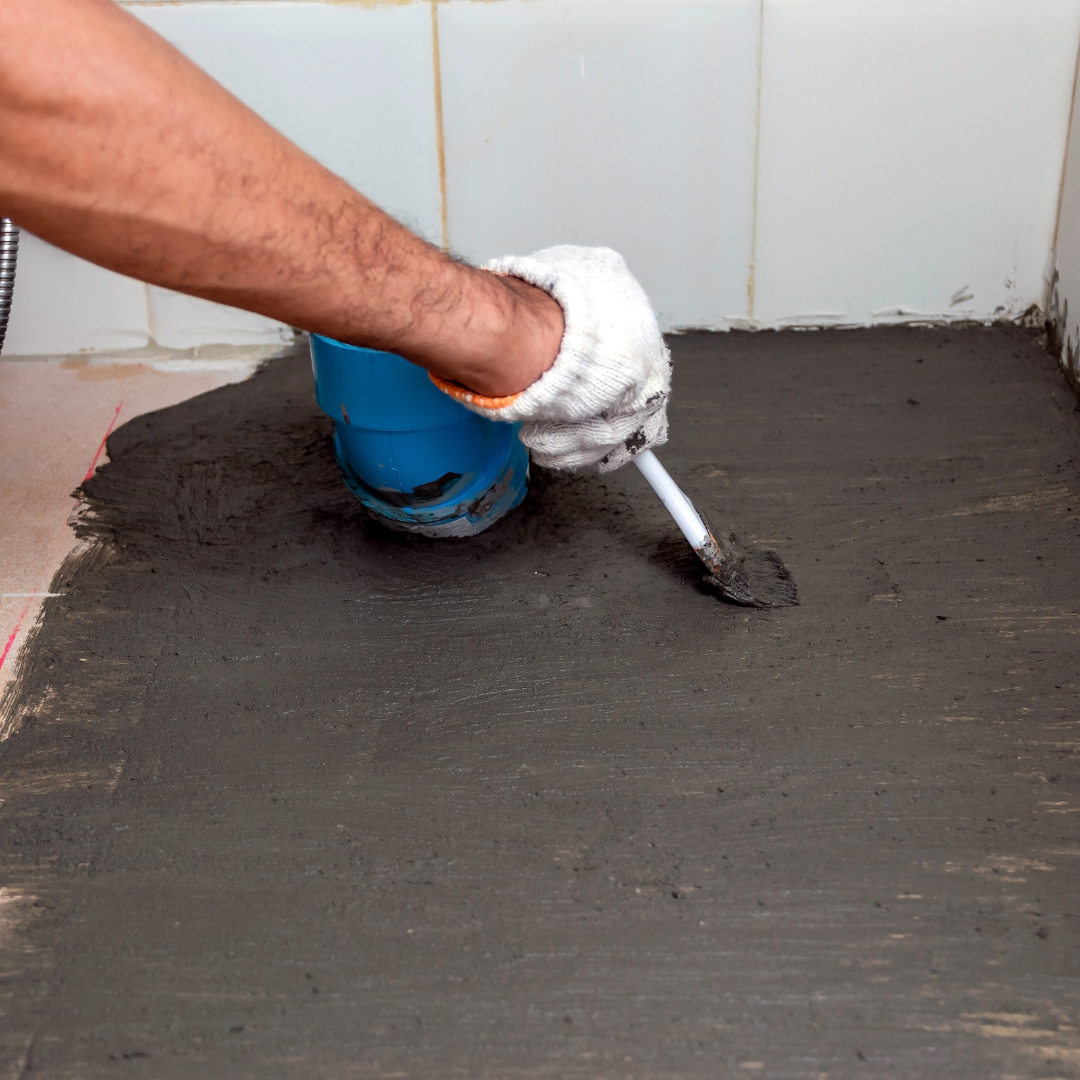
When considering crawl space waterproofing, you can opt for a DIY approach or hire professionals. It’s important to weigh the pros and cons of each option to determine what’s best for your situation.
DIY Waterproofing
- Pros: Lower cost, immediate action. DIY waterproofing allows homeowners to address minor issues without waiting for professional help, often using readily available materials.
- Cons: Requires knowledge and time, may not be as effective as professional solutions. Without the expertise and experience, DIY solutions might not provide the comprehensive protection needed, potentially leading to incomplete or temporary results.
Professional Waterproofing
- Pros: Expertise, comprehensive solutions, long-term effectiveness. Professionals bring experience and specialized tools, ensuring waterproofing measures are correctly implemented for lasting results.
- Cons: Higher upfront cost. Although more expensive initially, professional services can offer peace of mind and long-term savings by ensuring thorough protection against water and mold damage.
Conclusion
Crawl space waterproofing is a smart investment for homeowners looking to prevent mold and water damage. By understanding the benefits and comparing them to other solutions, you can make an informed decision about protecting your home. Whether you choose a DIY approach or hire professionals, addressing crawl space moisture issues proactively can save you time, money, and stress in the long run. For expert crawl space waterproofing services as well as water and mold damage restoration, contact our team at The Healthy Environments today!