Hurricane season in Florida brings powerful storms, heavy rainfall, and the constant risk of flooding. When a storm hits, hurricane damage cleanup becomes urgent, not just to restore your property, but to protect your health and prevent long-term issues like mold growth and structural damage.
This comprehensive guide walks you through everything you need to know about storm damage cleanup, water damage restoration, and how to respond quickly and safely when disaster strikes.
Why Storm Damage Cleanup Is Critical After a Hurricane
Hurricanes can cause extensive destruction, from roof damage and broken windows to severe indoor flooding. Water intrusion is one of the most damaging consequences, often leading to:
- Structural weakening of your home
- Contaminated water exposure
- Mold growth within 24–48 hours
- Damage to flooring, drywall, and personal belongings
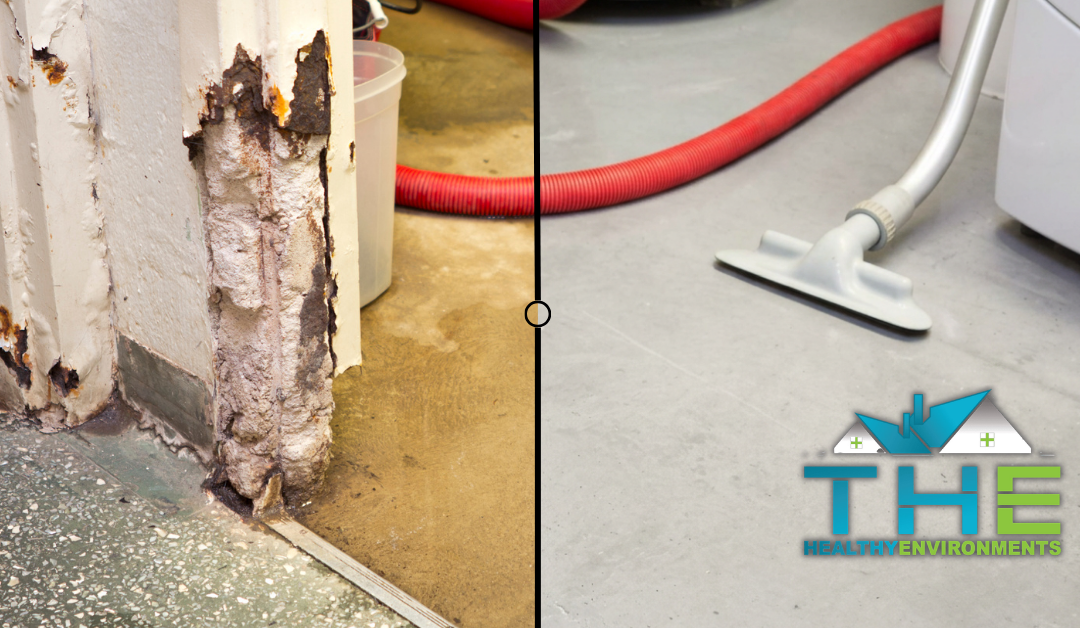
Standing water left untreated can compromise your property and create serious health risks. Acting quickly is essential to minimize damage and reduce costly repairs.
Common Types of Hurricane Damage in Florida
Florida homes face several types of storm-related damage during hurricane season:
- Water & Flood Damage: Heavy rainfall and storm surge can flood homes, damaging walls, floors, and furniture.
- Wind Damage: Strong winds can tear off roofs, break windows, and allow water to enter your home.
- Debris Damage: Fallen trees, branches, and flying debris can cause structural damage and safety hazards.
- Hidden Moisture Issues: Water can seep into walls and subflooring, leading to unseen damage and mold growth.
Storm damage often involves a combination of these issues, making professional cleanup essential for complete restoration.
Step-by-Step Hurricane Storm Damage Cleanup Checklist
1. Prioritize Safety First
- Turn off the electricity if water is present
- Avoid standing water with unknown contamination
- Wear protective gear (gloves, boots, masks)
- Ensure the structure is safe before entering
2. Document the Damage
- Take photos and videos for insurance claims
- Record damaged items and affected areas
3. Remove Standing Water Immediately
- Use pumps or professional extraction equipment
- The faster the water is removed, the less damage occurs
4. Dry and Dehumidify Thoroughly
- Use industrial fans and dehumidifiers
- Target hidden moisture behind walls and floors
5. Clean, Sanitize, and Disinfect
- Eliminate bacteria and contaminants from floodwater
- Prevent health hazards and odors
6. Repair and Restore
- Replace damaged drywall, flooring, and insulation
- Address structural issues and rebuild affected areas
Storm recovery requires a systematic approach to ensure no moisture is left behind, which could lead to long-term problems.
The Importance of Professional Water Damage Restoration
While minor cleanup might seem manageable, hurricane damage often requires professional expertise. Water damage restoration professionals like The Healthy Environments use advanced tools and proven methods to:
- Detect hidden moisture using specialized equipment
- Perform rapid water extraction and structural drying
- Prevent mold growth and improve indoor air quality
- Safely handle contaminated water
- Restore your property efficiently and thoroughly
Professional restoration ensures your home is not only dry, but truly safe to live in again.
Why Fast Response Matters
Time is one of the most critical factors in storm damage cleanup. Delays can lead to:
- Increased repair costs
- Mold infestations
- Permanent structural damage
- Health risks from bacteria and toxins
Emergency restoration teams are often available 24/7 because immediate action significantly reduces the severity of damage and speeds up recovery.
How to Prepare Before Hurricane Season
Preparation can dramatically reduce the impact of storm damage. Here are key steps to protect your home:
- Inspect and repair your roof
- Clean gutters and drainage systems
- Seal windows and doors
- Secure outdoor furniture and debris
- Create an emergency plan and supply kit
Being proactive helps minimize water intrusion and makes cleanup easier if a storm occurs.
Signs You Need Professional Storm Damage Cleanup
Call a professional restoration service if you notice:
- Persistent dampness or musty odors
- Visible mold growth
- Warped floors or walls
- Large areas of standing water
- Contaminated or sewage water exposure
These signs indicate more serious damage that requires expert handling.
Serving Florida & Georgia Communities
At The Healthy Environments, we proudly provide expert water damage restoration, mold removal, and treatment services across:
Florida:
Woodville • Quincy • Thomasville • Perry • Crawfordville • Monticello • Greenville • Madison • Wacissa
Georgia:
Bainbridge • Moultrie • Camilla • Cairo • Ochlocknee • Meigs • Pelham
Our team understands the unique climate challenges in these areas and delivers fast, reliable solutions to protect your home and health.
Why Choose The Healthy Environments
When hurricane season threatens your home, you need a trusted local expert. The Healthy Environments provides:
- Rapid emergency response
- Advanced water damage restoration solutions
- Mold prevention and remediation
- Safe, thorough cleanup processes
- Expertise in Florida and Georgia climate conditions
Their team focuses on protecting both your property and your health, ensuring complete restoration after storm damage.
Final Thoughts
Hurricane season is unpredictable, but your response doesn’t have to be. By following this storm damage cleanup checklist and acting quickly, you can reduce damage, protect your health, and restore your home efficiently.
When in doubt, trust experienced professionals to handle the cleanup and ensure your home is safe, dry, and fully restored.
Frequently Asked Questions
How soon should I start storm damage cleanup after a hurricane?
Immediately. The sooner you begin cleanup, the better chance you have of preventing mold growth and reducing structural damage.
Can I handle storm damage cleanup myself?
Minor issues may be manageable, but extensive flooding or contaminated water requires professional restoration for safety and thorough drying.
How long does water damage restoration take?
It depends on the severity, but most projects take anywhere from a few days to several weeks for full restoration.
Does insurance cover hurricane damage?
Many policies cover storm damage, but flood damage may require separate flood insurance. Always review your policy details.
How do I prevent mold after flooding?
Quick water removal, proper drying, and professional dehumidification are essential to prevent mold growth.
What should I do immediately after my home floods?
Ensure safety, turn off electricity, document damage, and begin water removal as soon as possible, or contact a professional restoration service.
What are common non-storm causes of water damage in a home?
Water damage doesn’t only happen during hurricanes. It can also result from plumbing leaks, burst pipes, appliance malfunctions, roof leaks, clogged gutters, and HVAC system issues. Even small, unnoticed leaks can lead to major damage over time.
What role does humidity play in water damage?
High humidity levels, especially in Florida and Georgia, can lead to moisture buildup inside your home. This can cause condensation, warped materials, and mold growth even without visible water leaks.