
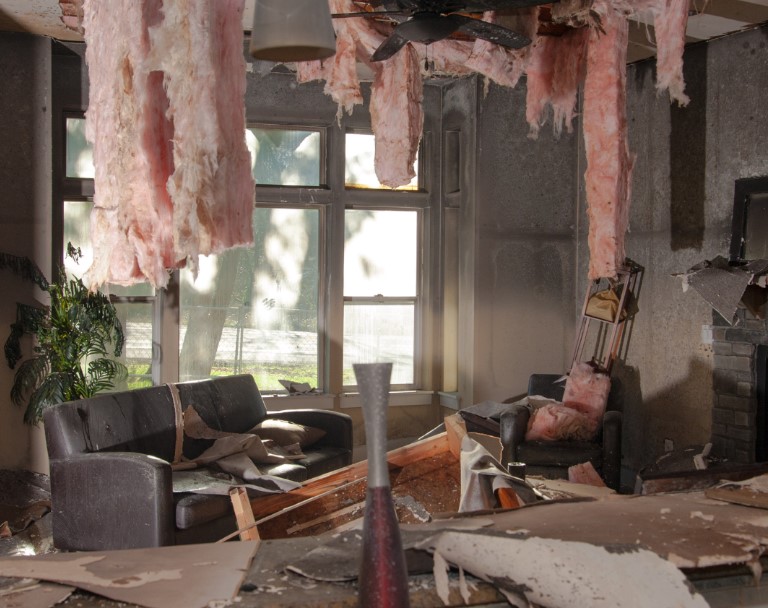
Fire damage can be devastating, leaving homeowners feeling overwhelmed and unsure of what to do next.
The process of fire damage restoration is complex. It involves more than just repairing what’s burnt. It also includes smoke damage cleanup and soot removal.
Understanding the steps involved in fire damage restoration can help. It can guide homeowners through this challenging time and ensure their property is properly restored.
This article will outline five essential steps in fire damage restoration. These steps are crucial for every homeowner to know. They cover everything from immediate action to future prevention.
By following these steps, homeowners can ensure a thorough and safe restoration.
So, let’s dive in and explore these essential steps in fire damage restoration.
Step 1: Immediate Action and Safety Precautions
Immediate action is crucial after a fire. Delays can lead to further damage. Taking swift steps can help prevent this.
Safety should always be your top priority. Before entering the property, ensure it’s structurally sound. Fires can weaken the building framework significantly.
Inspect the exterior first. Look for signs of compromised walls or roofs. If unsure, consult with a professional before entry.
Once safety is confirmed, secure the property. This can prevent unauthorized entry and additional damage. Temporary measures are often needed quickly.
Board up windows and doors if necessary. This will protect against weather and deter trespassers. It’s a quick fix but an essential one.
Firefighting efforts may have left your home with open or broken accesses. Ensuring these are blocked is the first practical step.
Engage emergency services if there’s any doubt about safety. They can guide you on the best practices. Always follow their advice carefully.
Assess any visible hazards, such as sharp debris. Use personal protective equipment (PPE) during cleanup. Safety goggles and gloves are essential.
Step 2: Assessment and Documentation for Insurance
After ensuring safety, the next step is assessment. A thorough evaluation of the fire damage is essential. It helps determine the extent and scope of restoration needed.
Engage a professional for this assessment. They can identify damage that might not be visible to the untrained eye. This is crucial for a comprehensive restoration plan.
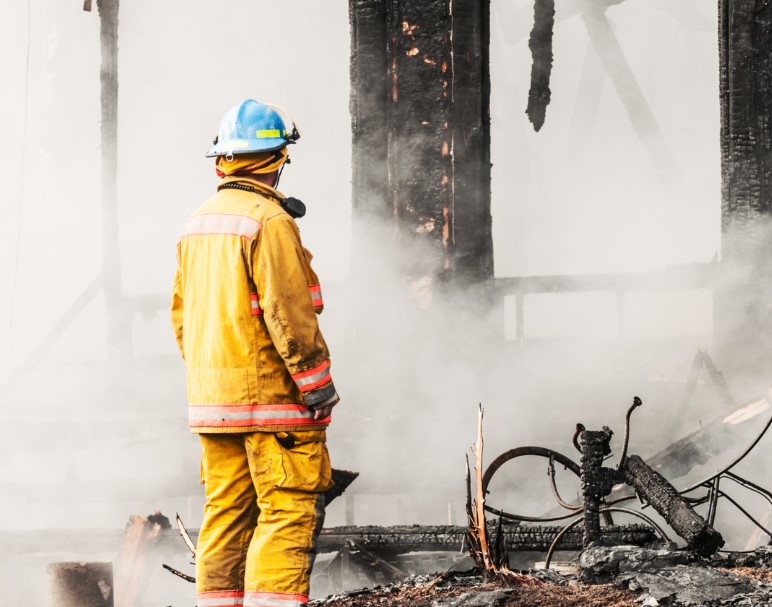
An expert will look at structural, cosmetic, and utility damages. This detailed examination provides a complete picture of the restoration needs. Their expertise helps avoid overlooking critical issues.
Documenting the damage is critical for insurance claims. Detailed records support your claim and speed up processing time. Photographs and videos provide undeniable evidence of the situation.
Create a list of all affected items. Include everything, from small household items to structural elements. Be as detailed as possible to avoid any discrepancies later.
Here’s a quick documentation checklist for insurance:
- Take clear photos of all damaged areas.
- Make a video walkthrough of the entire property.
- List personal items with detailed descriptions.
- Note serial numbers and estimated values.
- Safeguard all receipts and previous valuations.
Communicating with your insurance company is vital. Inform them of the fire as soon as possible. Early notification aids in a smoother claims process.
Remember, professional assessment and thorough documentation are your strongest allies. They protect your interests and support your claims. Proper communication ensures that the fire damage restoration process is as seamless as possible.
Step 3: Water Removal and Drying Process
After a fire, water saturation from firefighting efforts can lead to further damage. Excessive moisture creates an ideal environment for mold. Swift action is necessary to prevent complications.
Begin with water extraction to tackle immediate moisture. This step halts potential degradation. Water needs to be swiftly and efficiently removed.
Water damage restoration professionals use specialized equipment for water removal. High-powered vacuums and pumps are efficient in clearing out water. These tools ensure rapid, large-scale moisture extraction.
Once water is removed, drying is critical. Professionals deploy powerful dehumidifiers and air movers. These machines effectively reduce humidity levels and promote drying.
Proper ventilation is also vital in this process. Opening windows and using fans facilitate airflow. Circulation helps speed up drying time significantly.
Employing professional-grade dehumidifiers is recommended. These devices draw moisture from walls and floors. Proper drying minimizes further damage and prevents mold growth.
If mold sets in, it presents significant health risks. Mold exposure can lead to respiratory issues and allergies. Prevention is always more effective than remediation.
Avoiding mold also means inspecting less obvious places. Basements, crawlspaces, and attics can harbor hidden water. Professionals ensure these areas are thoroughly dry.
Acting promptly in this step safeguards your home. Professional involvement ensures thoroughness and expertise. Proper water removal and drying are the backbone of successful fire damage restoration.
Step 4: Soot and Smoke Damage Cleanup
Soot and smoke remain long after the flames are gone. They permeate every corner of a fire-damaged home. Addressing these residues is crucial to ensure a healthy living environment.
Exposure to soot can lead to respiratory problems. It can cause skin and eye irritation. The microscopic particles can lodge deep in the lungs, posing significant health risks.
Smoke contains toxic compounds that can affect air quality and exacerbate asthma and other respiratory conditions. Removing these pollutants is a vital step in restoration.
Every surface in your home needs to be thoroughly cleaned. Don’t overlook furniture and personal items; they also require attention.
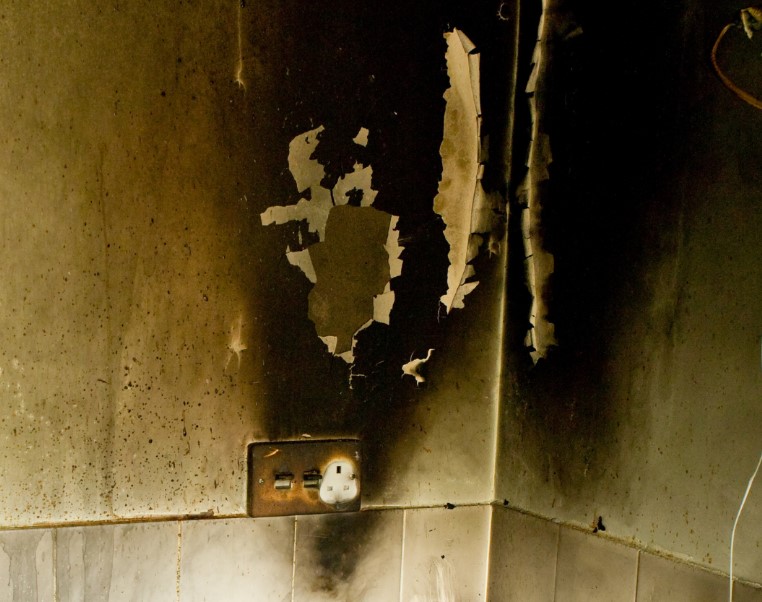
Begin the cleanup by vacuuming with HEPA vacuums. These vacuums capture fine particles effectively and are essential for reducing airborne toxins and soot.
Use appropriate cleaning agents for different materials. Wood and fabric need different care compared to metal or plastic. Professionals know the best methods for effective cleaning.
Deodorizing is another important aspect. Smoke can leave lingering odors that are hard to eliminate. Specialized techniques and equipment are necessary to remove these smells.
Ozone generators are commonly used in this process. They neutralize smoke odors by breaking down odor molecules. Ensure the area is unoccupied when using these tools, as they can be harmful.
Ionization technologies can also assist in eliminating odors. They help remove airborne particles and refresh the air. These methods restore the environment to its pre-fire condition..
Soot and smoke cleanup is detailed and time-consuming. However, when done properly, it restores both safety and comfort. This crucial step ensures the health and longevity of your restored home.
Step 5: Repair, Reconstruction, and Future Prevention
Repair and reconstruction form the backbone of fire damage restoration. Once the cleanup phase is complete, rebuilding begins. This phase brings your home back to its former state or even better.
Structural repairs may involve rebuilding walls and replacing floors. This work requires precision and skilled craftsmanship. Use this opportunity to ensure that all structural elements meet current safety standards.
Consider upgrading damaged materials. Opt for fire-resistant materials that add extra protection. This investment can significantly enhance the safety of your home.
Electrical systems should be inspected and repaired by licensed professionals. Fires can severely compromise wiring and fixtures. Ensuring a safe, updated electrical system is paramount.
Plumbing may also need attention. Pipes and fixtures can suffer heat damage. Hire experienced plumbers to assess and repair any potential issues.
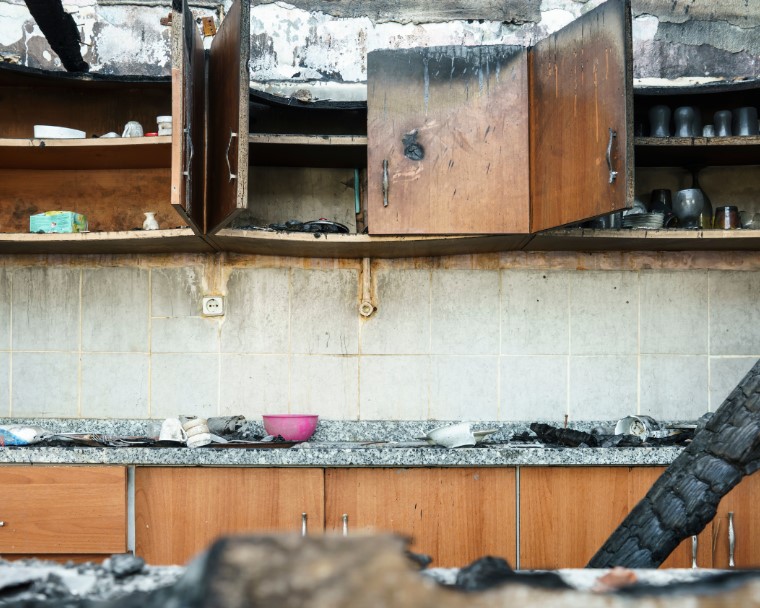
During reconstruction, take the chance to incorporate modern design elements. You can improve both aesthetics and functionality. This stage offers a fresh start with resilient and stylish upgrades.
Think about preventative measures to avert future fires. Install high-quality smoke detectors in key areas. Their early warning can make a critical difference in case of another fire.
Fire extinguishers and sprinkler systems can also be lifesavers. Have them strategically placed and ensure they are in good working condition. These tools can control small fires before they grow.
Creating a fire safety plan with your family is wise. Everyone should know how to respond to a fire emergency. Regular drills will ensure everyone is prepared and aware.
The repair and reconstruction stage not only restores your home’s structure but also strengthens its defenses. By integrating preventative measures, you’re investing in peace of mind for the future.
The Importance of Professional Fire Damage Restoration
Addressing fire damage involves more than just putting out flames. It requires a systematic approach to ensure safety and stability. The steps include taking immediate action, assessing damage, removing water, cleaning soot and smoke, and finally, repairing and upgrading.
Hiring professionals for fire damage restoration is invaluable. Experts bring the right tools and knowledge to handle each step effectively. Their experience ensures a thorough and efficient process, making your home safe again.
Homeowners are urged to act promptly after a fire incident. Fast response reduces damage and starts the recovery process swiftly. With the right guidance, restoring your home can be an opportunity to improve its safety and resilience for the future.
For expert fire damage restoration services as well as water damage and mold mitigation, contact The Healthy Environments in Tallahassee today!