
Fire damage is a devastating event, leaving a trail of destruction visible to the naked eye.
But there’s a hidden danger that lurks in the aftermath. This danger is mold growth, a consequence of the damp conditions created by firefighting efforts.
Mold can start developing within 24 to 48 hours. It poses serious health risks, including respiratory issues and allergic reactions.
The key to preventing this hidden danger is immediate fire damage cleanup. This includes professional mold remediation, a critical component of the recovery process.
In this article, we’ll explore the hidden dangers of fire damage. We’ll delve into the importance of mold remediation and how it plays a key role in recovery.
The Unseen Aftermath: Mold Growth Post-Fire
After a fire, the focus is often on visible damage. However, the danger extends beyond charred walls and smoky odors.
Water used to extinguish fires soaks into materials, creating a breeding ground for mold. Mold thrives in moist environments, quickly spreading through damp spaces.
Within as little as 24-48 hours, mold can start to develop. This rapid growth can be difficult to detect until significant damage occurs.
Smoke damage adds to the problem, as soot particles can carry mold spores throughout a property. These spores find their way into hidden areas, such as walls and ceilings.
Addressing mold growth post-fire is imperative. Professional fire damage mold remediation must be a top priority. This not only includes removal but also preventive measures to inhibit future outbreaks. Identifying and tackling this unseen aftermath is crucial in the fire damage recovery process.
Health Risks Associated with Mold from Fire Damage
Mold poses significant health risks, especially after a fire. When inhaled, mold spores can lead to several health issues.
One common problem is respiratory complications. This includes symptoms like coughing, wheezing, and throat irritation.
Those with allergies or asthma are particularly vulnerable. Mold can exacerbate their conditions, leading to severe reactions.
Mold exposure can also trigger allergic responses. Symptoms might include itchy eyes, skin rashes, and nasal congestion.
Here’s a list of potential health impacts:
- Respiratory issues and irritation
- Exacerbation of asthma and allergies
- Skin rashes and eye irritation
- Allergic reactions and congestion
Understanding these risks highlights the importance of prompt fire damage cleanup. It ensures a safer environment for individuals returning to their homes. Prioritizing mold remediation can help mitigate these health risks effectively.
The Crucial Role of Immediate Fire Damage Cleanup
Immediate action is vital after fire damage. Fire damage cleanup helps prevent further harm to the property.
Removing charred materials and debris reduces the chances of mold formation. Mold thrives in moist, disturbed environments.
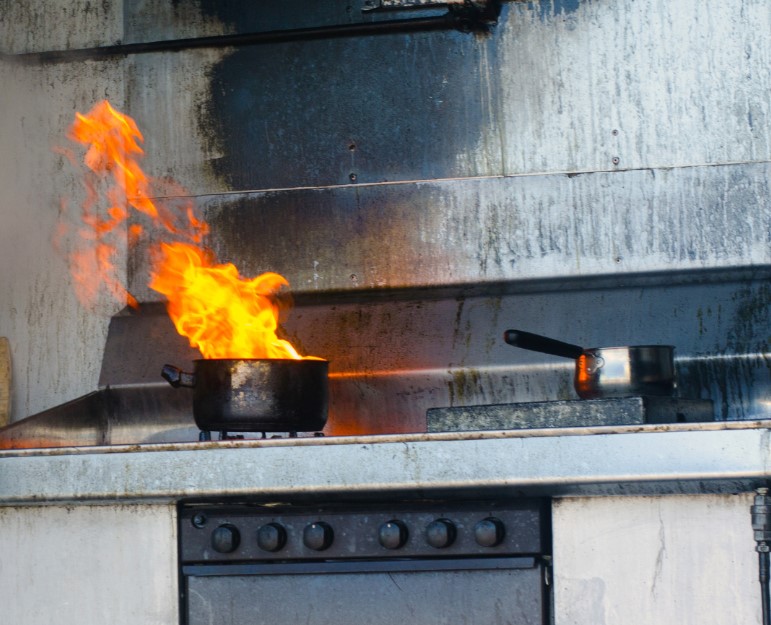
Cleaning up water used to fight the fire is essential. Lingering moisture provides a perfect breeding ground for mold.
By acting promptly, you can halt mold growth and minimize overall damage. Swift cleanup is a key step in the recovery journey.
Professional Mold Remediation: A Necessity, Not an Option
When dealing with mold after a fire, professional help is crucial. Mold remediation experts possess the skills needed to handle this complex task.
Attempting to remove mold on your own can pose serious health risks. Inadequate cleaning can also allow mold spores to spread further within your home.
Mold specialists use advanced equipment and techniques. Thermal imaging and moisture meters help in detecting hidden mold, ensuring thorough treatment.
Professional mold remediation companies are equipped to contain and treat affected areas effectively. They prevent cross-contamination and ensure safe disposal of mold-infested materials.
Hiring trained professionals also provides peace of mind. Knowing that experts are managing the mold issue helps alleviate stress and ensures your home’s safety.
Smoke Damage Repair and Mold Prevention
Smoke damage is more than an eyesore. It can harbor mold spores, complicating the recovery process. Addressing smoke damage is vital for mold prevention.
Thorough cleaning of soot and smoke residues is necessary. These remnants can create a conducive environment for mold growth if ignored.
Proper ventilation is another key component in prevention efforts. Maintaining good airflow helps to reduce moisture, minimizing the risk of mold development.
Mold prevention should be integrated into every smoke damage repair plan. This ensures a comprehensive approach to fire damage restoration, safeguarding health and property.
The Comprehensive Process of Fire Damage Restoration
Fire damage restoration is more than just repairing visible damage. It involves a thorough assessment to identify all affected areas. This comprehensive evaluation lays the groundwork for an effective recovery strategy.
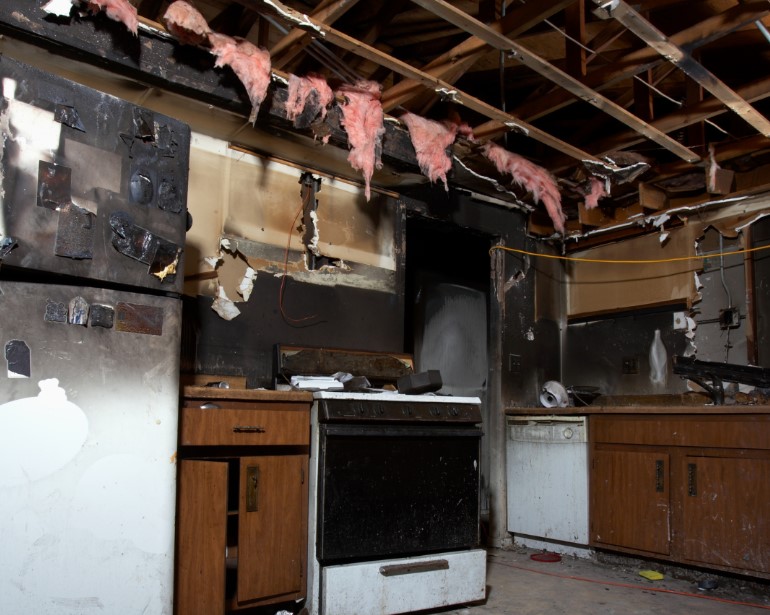
Once the evaluation is complete, restoration specialists address structural repairs and smoke damage. They also tackle hidden threats like mold. This dual approach ensures a safe and thorough restoration process.
Advanced techniques and tools, like thermal imaging and moisture meters, detect unseen moisture and potential mold growth. These tools are essential for preventing future issues.
The restoration process concludes with ensuring the property is safe and habitable. Professionals verify repairs and remediation, aiming to restore the property to its pre-fire condition.
Why DIY Mold Removal Is a Risky Business
Tackling mold removal on your own may seem cost-effective. However, it poses significant risks. DIY attempts can lead to inadequate mold removal and lingering health hazards.
Mold can hide in unseen places, like within walls or air ducts. Incomplete removal allows mold spores to spread, worsening the problem and increasing potential exposure.
Professionals use specialized equipment and techniques to contain and eradicate mold. They’re trained to handle mold safely, reducing risks to your health.
DIY efforts often lack the precision and safety measures required. To ensure a thorough cleanup, enlisting professional help is strongly recommended.
Choosing the Right Mold Restoration Company
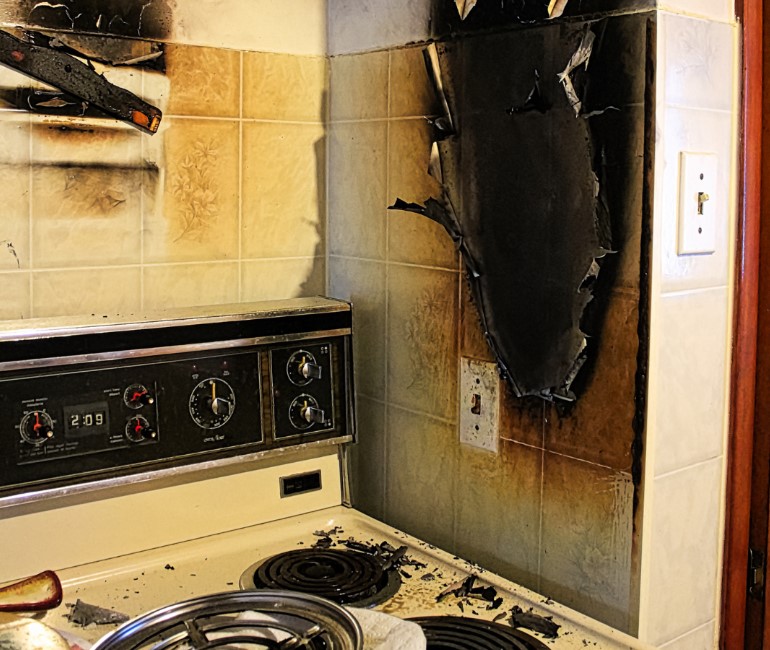
Finding the right mold remediation company is crucial. Their expertise affects the success of the cleanup.
Consider these factors when choosing a company:
- Certification: Ensure they are certified and trained in mold remediation.
- Experience: Look for a company with a solid track record in both mold and fire damage restoration.
- Comprehensive Services: They should offer complete solutions, including removal, cleanup, and restoration.
- Reviews and References: Check online reviews and seek references from past customers.
Being thorough in your selection helps secure a safe and effective recovery. A knowledgeable team can guide you through each step of the process.
Safeguarding Your Health and Property
Fire damage carries hidden threats, with mold being a significant concern. Addressing these dangers requires prompt action and expert assistance.
Mold remediation is a vital part of fire recovery. Ignoring it can lead to severe health risks and further property damage.
Selecting a qualified restoration company ensures that every issue, visible and hidden, is properly handled. This proactive approach protects your home’s integrity and your family’s well-being.
Understanding these processes and potential risks prepares you for effective recovery. It empowers you to make informed decisions, safeguarding your property and health after a fire.
For expert mold remediation and fire damage restoration, contact The Healthy Environments today!