
Your crawl space is more than just an out-of-sight, out-of-mind area of your home.
It’s a hidden world that can harbor a variety of hazards.
While mold is a well-known culprit, it’s not the only threat lurking beneath your feet. Pests, water damage, and structural issues can also compromise the safety and integrity of your home.
In this article, we’ll delve into the hidden hazards in your crawl space. We’ll go beyond mold to explore other potential problems and how they can impact your home.
Understanding Crawl Space Risks
Crawl spaces are prone to a variety of hazards. These risks can range from structural issues to health concerns.
Understanding these risks is the first step toward protecting your home. It’s not just about identifying the problems but understanding their potential impact.
For instance, standing water in your crawl space can lead to more than a damp environment. It can compromise your home’s foundation, leading to costly repairs.
Here are some of the key risks associated with them:
- Water damage
- Pest infestations
- Structural issues
- Poor indoor air quality
- Increased energy bills
The Unseen Enemy: Water Damage and Its Consequences
Water is a silent enemy in your crawl space.
It can seep in through cracks, leaks, or poor drainage systems. Over time, this can lead to water damage, weakening your home’s foundation.
High humidity levels can also contribute to wood rot. This can further compromise the structural integrity of your home.
Pests and Rodents: Uninvited Guests
Your crawl space can be a haven for pests.
Rodents, termites, and carpenter ants can all find refuge in this hidden space. These uninvited guests can cause significant damage to your home’s structure.
Insect infestations can lead to the need for costly extermination and repair. It’s crucial to seal any potential entry points to prevent these pests from coming in.
Structural Integrity: How Your Crawl Space Affects Your Home’s Foundation
The condition of your crawl space directly impacts your home’s foundation. Water damage, pests, and high humidity levels can all weaken the structural integrity of your home.
Ignoring these issues can lead to more extensive and expensive repairs in the future. It’s essential to address any signs of degradation promptly to protect your home.
Health and Safety Concerns
Crawl space hazards can also pose health risks.
If they are poorly maintained, they can negatively impact indoor air quality, leading to respiratory issues, especially for those with allergies or asthma.
Moreover, the presence of hazardous materials like asbestos or radon can pose serious health risks.
The Air You Breathe: Indoor Air Quality and Crawl Spaces
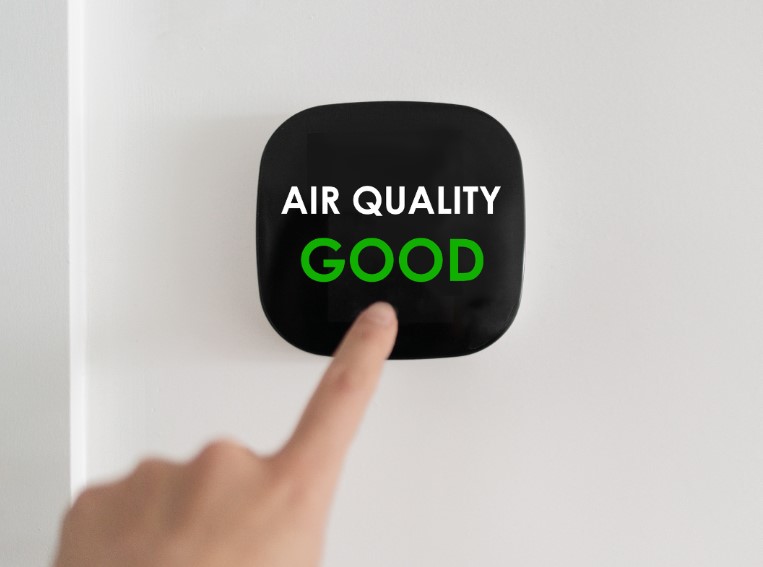
The air in your crawl space doesn’t stay there.
It can seep into your living spaces, carrying any contaminants present. This includes mold spores, dust mites, and other allergens.
Improving the conditions can lead to better indoor air quality and healthier living conditions.
Hazardous Materials: Asbestos and Radon Risks
Older homes may have asbestos insulation in their crawl spaces.
Asbestos is a known carcinogen, and exposure can lead to serious health issues. If you suspect your home has asbestos, it’s crucial to get a professional assessment.
Radon gas can also accumulate in crawl spaces. This naturally occurring radioactive gas is the second leading cause of lung cancer. Regular testing can help detect and address radon issues.
Crawl Space Restoration: Protecting Your Home and Health
Addressing hazards is crucial for the health of your home and its occupants.
Crawl space restoration can involve various solutions, from water damage repair to pest control. The goal is to create a dry, clean, and pest-free environment.
By investing in restoration, you’re not only protecting your home but also improving its value and energy efficiency.
Repair and Prevention: Addressing Water and Flood Damage
Water damage in your crawl space can lead to serious structural issues.
Flood damage restoration may involve removing waterlogged materials, drying the area, and sanitizing it. Installing a sump pump or a proper drainage system can help prevent future water accumulation.
Mold Removal and Remediation: Ensuring a Safe Environment
Mold is a common issue that should be taken very seriously.
Professional mold removal ensures complete eradication, preventing future growth. After removal, it’s important to address the underlying moisture issues that led to the mold in the first place.
Sealing and Insulating: Long-Term Solutions
Sealing and insulating your crawl space can provide long-term protection against many hazards.
Encapsulation, which involves installing a heavy-duty polyethylene barrier, can help protect against moisture and pests. Upgrading insulation can improve energy efficiency and reduce heating and cooling costs.
Finding Professional Help: Crawl Space Restoration Near Me
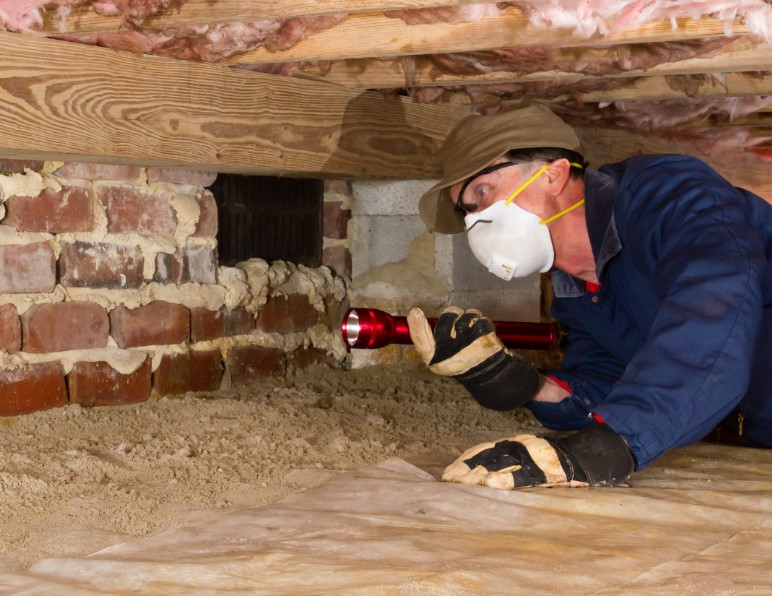
When it comes to crawl space restoration, professional help is invaluable.
Search for “crawl space restoration near me” to find local experts who can provide a comprehensive restoration plan.
The Importance of Regular Inspections and Maintenance
Regular inspections are key to early detection of crawl space issues.
By maintaining your crawl space, you can prevent many potential hazards and ensure the longevity of your home’s infrastructure.
Conclusion: The Value of a Healthy Crawl Space
A well-maintained crawl space is more than just a clean storage area.
It’s a long-term investment in the health, safety, and value of your home, contributing to better indoor air quality, energy efficiency, and structural integrity.
For expert crawl space restoration services such as water damage restoration and mold remediation, contact The Healthy Environments!