

Crawl spaces are often overlooked areas of our homes. Yet, they can harbor a silent but significant threat: mold.
Crawl space mold is not just an aesthetic issue. It poses health risks and can damage the structural integrity of your home.
Understanding the causes of crawl space mold is the first step toward addressing it. High humidity, poor ventilation, and water leaks are common culprits.
This article will guide you through identifying mold in your crawl space. We’ll also discuss DIY removal techniques and when to call a professional.
Finally, we’ll explore long-term solutions to prevent future mold growth. Whether you’re a homeowner, a DIY enthusiast, or a property manager, this guide is for you.
Understanding Crawl Space Mold
Crawl space mold refers to any type of mold that grows in the crawl space of a home. This area is prone to mold growth due to its often damp and dark conditions.
Mold is a type of fungus that thrives in moist environments. It reproduces by releasing spores, which can spread throughout your home.
What is Crawl Space Mold?
Crawl space mold is a common problem in many homes. It’s often unnoticed until it starts causing issues.
This mold can affect both your health and the structural integrity of your home so it’s crucial to address it promptly.
Common Types of Mold Found in Crawl Spaces
Several types of mold commonly grow in crawl spaces. These include white mold, black mold, and green mold.
White mold in crawl spaces is often mistaken for efflorescence, a mineral deposit left by water seepage. However, unlike efflorescence, white mold is fuzzy and can cause health issues.
Black mold, also known as Stachybotrys, is another common type. It’s often associated with severe health risks and requires immediate attention. Green mold, while not as dangerous as black mold, can still cause allergic reactions and should be removed.
Causes of Mold in Crawl Spaces

A combination of factors often causes mold in crawl spaces. These include high humidity, poor ventilation, and water leaks or flood damage.
High humidity levels create a perfect environment for mold to grow. This is especially true in crawl spaces, which are often enclosed and lack proper ventilation.
Poor ventilation can exacerbate the problem. Without adequate airflow, moisture can accumulate, leading to mold growth.
Water leaks and flood damage can also contribute to mold growth. If water is allowed to sit in your crawl space, it can create a damp environment in which mold thrives.
High Humidity and Poor Ventilation
High humidity in a crawl space can be caused by a variety of factors. These include climate, poor insulation, and lack of proper ventilation.
Poor ventilation can trap humid air in the crawl space. This creates a damp environment that is ideal for mold growth.
Water Leaks and Flood Damage
Water leaks can come from plumbing issues or cracks in the foundation. These leaks can lead to standing water in the crawl space, promoting mold growth.
Flood damage can also lead to mold in crawl spaces. If flood water is not properly cleaned up, it can create a moist environment perfect for mold.
Health Risks and Structural Dangers
Crawl space mold is not just an aesthetic issue. It poses serious health risks and can compromise the structural integrity of your home.
Mold exposure can lead to a variety of health problems. These include respiratory issues, allergic reactions, and in severe cases, neurological problems.
Structurally, mold can cause significant damage to your home. It can eat away at wooden structures, leading to costly repairs.
Health Concerns from Mold Exposure
Mold exposure can lead to a variety of health issues. These include respiratory problems like coughing, wheezing, and difficulty breathing.
People with allergies or asthma may experience more severe reactions. These can include shortness of breath, chest tightness, and in severe cases, asthma attacks.
Impact on Home Integrity
Mold can cause significant damage to the structural integrity of your home. It feeds on organic materials like wood, which can lead to structural weakening over time.
If left untreated, this can lead to costly repairs and potentially unsafe living conditions. It’s crucial to address mold issues promptly to prevent such problems.
Identifying Mold in Your Crawl Space

Identifying mold in your crawl space is the first step toward addressing the problem. It’s not always easy, as mold can often hide in hard-to-reach areas.
You may notice a musty odor emanating from your crawl space. This is often a telltale sign of mold growth.
Physical signs of mold include discoloration on surfaces and visible growth. These signs should prompt immediate action.
Signs and Symptoms of Mold Presence
Mold often presents as a fuzzy or slimy substance. It can be in various colors, including black, white, green, or yellow.
A musty smell is a common indicator of mold presence. If you notice this odor, it’s time to investigate further.
Visible water damage or moisture issues can also indicate potential mold growth. Look for signs of dampness, condensation, or water stains.
Finally, if you or your family members are experiencing unexplained health issues, this could be a sign of mold. Symptoms can include persistent coughing, sneezing, or skin irritation.
DIY Mold Removal Techniques
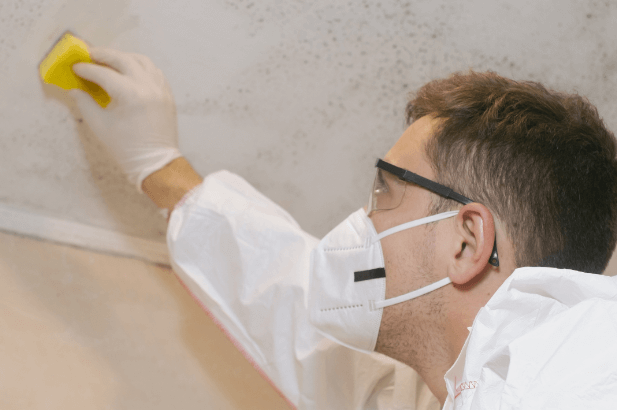
If you’ve identified mold in your crawl space, you may be considering DIY removal. This can be an effective solution for minor mold issues.
However, it’s crucial to approach this task with caution. Mold can pose health risks, so safety should be your top priority.
Safety Precautions and Equipment
Before starting the mold removal process, ensure you have the right safety gear. This includes gloves, goggles, and a respirator mask.
Also, make sure to seal off the crawl space to prevent mold spores from spreading to other areas of your home.
Step-by-Step Mold Removal Process
The first step in mold removal is to dry out the area. Use fans or dehumidifiers to reduce moisture levels.
Next, you’ll need to scrub the mold off the surfaces. Use a mixture of water and detergent, or a mold removal product.
- Dry out the area
- Scrub the mold off surfaces
- Dispose of any moldy materials
- Clean the area thoroughly
- Monitor the area for any signs of recurring mold
If the mold issue is extensive, call a professional. They have the necessary equipment and expertise to handle large-scale mold problems.
When to Call a Professional
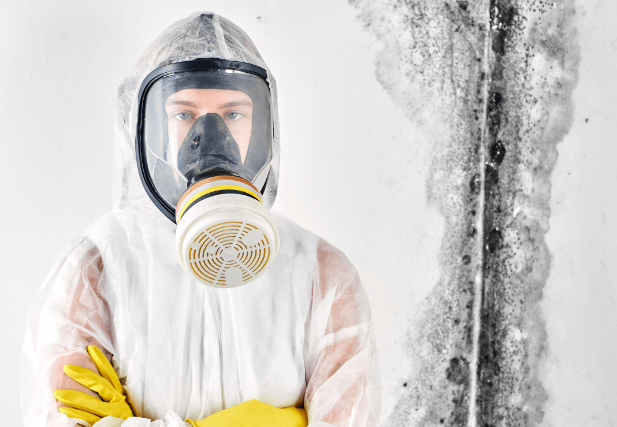
While DIY methods can be effective for minor mold issues, they may not be enough for severe infestations. Recognizing when to call a professional is crucial.
If the mold covers a large area or keeps coming back despite your efforts, it’s time to seek expert help. Also, if you’re dealing with toxic black mold, don’t attempt to remove it yourself.
Recognizing the Need for Expert Help
Mold can be tricky to fully eradicate. If you’ve tried DIY methods and the mold persists, it’s a clear sign you need professional intervention.
Also, if you’re experiencing health symptoms like persistent coughing, sneezing, or eye irritation, it’s best to call a professional. These could be signs of a serious mold problem.
Choosing a Mold Mitigation or Restoration Company
When choosing a mold mitigation or restoration company, do your research. Look for companies with good reviews and a proven track record.
Also, make sure they’re certified and follow industry standards for mold remediation. This ensures they have the necessary training and expertise to handle your mold problem effectively.
Preventing Future Mold Growth in Crawl Spaces
Preventing mold growth in your crawl space is a long-term commitment. It involves regular inspections and maintenance, as well as implementing long-term solutions.
Remember, prevention is always better than cure. By taking proactive steps, you can save yourself from the hassle and cost of mold remediation.
Regular Inspections and Maintenance
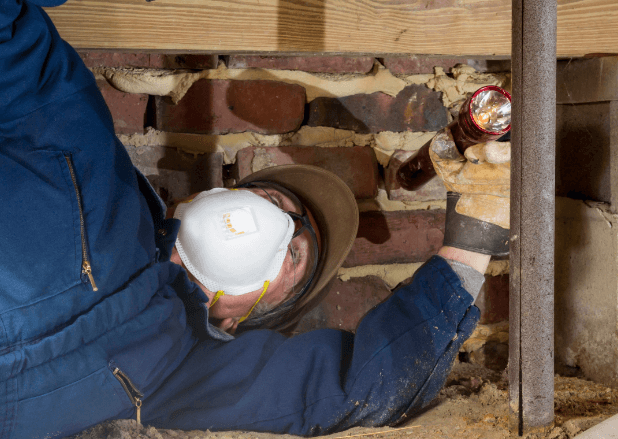
Regular inspections are key to preventing mold growth. Check your crawl space for signs of moisture or mold at least once a year.
Also, maintain your home’s plumbing and roofing systems to prevent water leaks. These can lead to high humidity levels, promoting mold growth.
Long-Term Solutions for Mold Prevention
For long-term mold prevention, consider crawl space encapsulation. This involves sealing your crawl space with a vapor barrier to keep moisture out.
Also, consider installing a dehumidifier in your crawl space. This can help maintain low humidity levels, making it less conducive for mold growth.
Conclusion
Crawl space mold is a common issue that can pose serious health risks and damage your home. Understanding its causes and knowing how to address them is crucial.
Whether you choose DIY methods or professional help, remember that prevention is key. Regular inspections and maintenance can keep your crawl space mold-free.
For expert mold removal and remediation services in Tallahassee, contact The Healthy Environments today!